What are the environmental protection requirements for IBC valves?
In today’s world, environmental protection is not just a buzzword; it’s a crucial aspect of every industry, including the manufacturing and supply of Intermediate Bulk Container (IBC) valves. As a supplier of IBC valves, I understand the importance of adhering to strict environmental protection requirements. These requirements not only help in preserving our planet but also ensure the long – term viability and competitiveness of our products. IBC Valve

Material Selection
One of the primary environmental protection requirements for IBC valves lies in the selection of materials. The materials used in the production of IBC valves should be non – toxic and inert, minimizing the risk of chemical leakage or contamination. For example, choosing high – quality polymers or stainless steel can significantly reduce the environmental impact.
Stainless steel is a popular choice due to its durability, corrosion resistance, and recyclability. It can withstand a wide range of temperatures and chemical substances, making it suitable for various IBC applications. Polymers such as polyethylene are also frequently used. They are lightweight, which can save energy during transportation. Additionally, many modern polyethylene products are made from recycled materials or are themselves recyclable at the end of their life cycle.
We ensure that all the materials we source are compliant with relevant environmental standards. For instance, we check that the polymers used have passed certifications such as food – grade standards if the IBC valves are intended for applications related to food or beverage industries. This not only protects the product contained in the IBC but also ensures that no harmful substances leach into the environment.
Manufacturing Process
The manufacturing process of IBC valves also has a significant environmental footprint. To reduce this, we have implemented several measures. First, we have invested in advanced manufacturing technologies that optimize material usage. Our state – of – the – art machinery is programmed to cut, shape, and assemble the valve components with minimal waste.
Water and energy consumption are also areas of focus. We have installed water – recycling systems in our manufacturing plants to reuse water in the production process. This reduces the demand for fresh water and minimizes the amount of wastewater generated. In terms of energy, we have switched to energy – efficient lighting and machinery. We are also exploring the possibility of using renewable energy sources, such as solar panels, to power our operations.
Moreover, we have strict waste management policies in place. Any waste generated during the manufacturing process is sorted and recycled whenever possible. Scrap metal can be sent to recycling facilities, and plastic waste can be reprocessed into new products. Hazardous waste is handled with extreme care and disposed of in accordance with environmental regulations.
Product Design for Sustainability
The design of IBC valves is another aspect where environmental protection requirements come into play. Our design philosophy focuses on creating valves that have a long service life. By using high – quality materials and robust engineering, we ensure that our valves can withstand the test of time and repeated use.
This long – lasting design reduces the need for frequent replacements, which in turn reduces the overall consumption of resources. For example, a well – designed valve seal can prevent leaks for an extended period, avoiding the waste of the product stored in the IBC and the potential environmental damage caused by spills.
In addition, our valves are designed for easy maintenance and repair. We provide clear instructions and easily accessible spare parts, enabling customers to quickly fix any minor issues instead of replacing the entire valve. This not only saves money for the customers but also reduces the environmental impact associated with the production and disposal of new valves.
Emission Reduction
During the operation of IBC valves, there is a potential for emissions of volatile organic compounds (VOCs) and other pollutants, especially if the valves are used in chemical – handling applications. To address this, we have developed valve designs that minimize leakage and emissions.
Our valves are equipped with advanced sealing technologies that prevent the escape of vapors and liquids. For example, we use double – sealing systems that provide an extra layer of protection against leaks. We also conduct regular quality control tests to ensure that our valves meet strict emission standards.
In addition, we are committed to reducing the carbon footprint associated with the transportation of our IBC valves. We work closely with our logistics partners to optimize shipping routes and consolidate orders, reducing the number of trips and thus the emissions from transportation vehicles.
Environmental Certification and Compliance
As a responsible IBC valve supplier, we understand the importance of environmental certification and compliance. We actively seek certifications such as ISO 14001, which is an internationally recognized standard for environmental management systems. This certification demonstrates our commitment to continuously improving our environmental performance.
We also ensure that our products comply with all relevant local and international environmental regulations. For example, in the European Union, our valves must meet the requirements of the Restriction of Hazardous Substances (RoHS) directive, which restricts the use of certain hazardous materials in electrical and electronic equipment, including valves in some cases.
By achieving these certifications and complying with regulations, we not only provide our customers with the assurance that our products are environmentally friendly but also open up opportunities in international markets where environmental compliance is a prerequisite for doing business.
Impact on the Environment and Market Demand
The environmental protection requirements for IBC valves have a far – reaching impact on the environment. By using sustainable materials, reducing emissions, and minimizing waste, we are contributing to the protection of natural resources and the reduction of pollution.
In addition, market demand for environmentally friendly IBC valves is on the rise. More and more customers are becoming aware of the environmental impact of their purchasing decisions. They are looking for products that are not only high – quality but also sustainable. Our commitment to environmental protection has enabled us to meet this growing demand and gain a competitive edge in the market.
Conclusion
The environmental protection requirements for IBC valves cover multiple aspects, from material selection and manufacturing processes to product design and emission reduction. As an IBC valve supplier, we are dedicated to meeting these requirements to protect the environment and serve the needs of our customers.
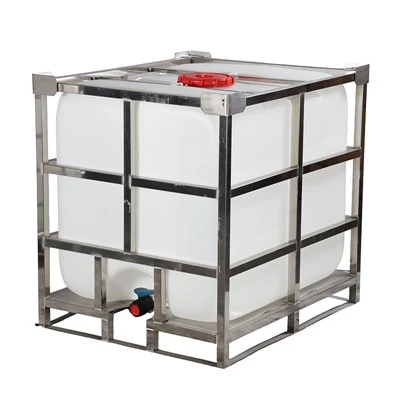
800L IBC Tank If you are in the market for IBC valves and are concerned about environmental protection, we would love to hear from you. Our team of experts can provide you with detailed information about our products and how they meet the highest environmental standards. Don’t hesitate to reach out to us for a consultation and to discuss your specific requirements. We look forward to working with you to find the best IBC valve solutions for your business.
References
- ISO 14001:2015 Environmental management systems – Requirements with guidance for use
- RoHS Directive (2011/65/EU) Restriction of the use of certain hazardous substances in electrical and electronic equipment
Jiangsu Xinhuasheng Packaging New Materials Co., Ltd.
Jiangsu Xinhuasheng Packaging New Materials Co., Ltd. is one of the most professional ibc valve manufacturers and suppliers in China, featured by quality products and low price. Please rest assured to wholesale durable ibc valve in stock here and get quotation from our factory. Customized orders are welcome.
Address: No. 5 Tieta Road, Industrial Park, Guyang Town, Dantu District, Zhenjiang City, Jiangsu Province, China.
E-mail: manager@jsxhsgs.com
WebSite: https://www.xhsibc.com/
