If you’ve ever stood in a bathroom showroom, staring at rows of toilets with no idea which one will fit your space or lifestyle, you’re not alone. For years, I’ve talked to homeowners, contractors, and interior designers who mix up “back to wall toilets” and “normal toilets” so often, I could recite their questions in my sleep. As a supplier focused exclusively on back to wall models, I don’t just sell products—I help people figure out which choice works for their bathroom. Today, I’m breaking down the real differences between these two types, no confusing jargon, just what actually matters when you’re picking a toilet. Back To Wall Toilet
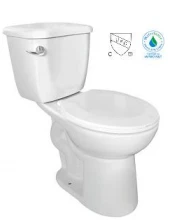
First, let’s get the basics straight—when people say “normal toilet,” they’re almost always referring to a two-piece toilet, the standard model you’ve seen in homes, apartments, and commercial spaces for decades. A two-piece toilet has a separate tank (the part that holds water for flushing) and a bowl (the part you sit on), bolted together at the factory or on installation day. It’s the toilet you’d find in most new builds or older homes that haven’t had a bathroom remodel. Back to wall toilets, on the other hand, are a unified one-piece unit where the tank is hidden behind the wall. No visible tank, no gap between the tank and the wall, just a smooth, sleek bowl sitting tight against the surface behind it. That’s the core difference, but the details—installation, maintenance, space use, even style—are where the real tradeoffs start.
Let’s talk installation, because that’s where a lot of people get tripped up. A normal two-piece toilet is straightforward to install for someone with basic DIY skills, or even a plumber working on a tight timeline. You connect the bowl to the toilet flange (the pipe sticking out of the floor), bolt the tank to the bowl, run a water line to the tank, and seal it all up. It takes a plumber roughly an hour to an hour and a half, on average. Back to wall toilets are a bit more hands-on, because the tank isn’t separate—wait, actually, let’s clarify: back to wall toilets require a carrier system, a metal or plastic frame that gets mounted to the wall and holds the tank in place, then covered by a false wall. That means if your bathroom already has finished walls, you’ll need to open up a section of the wall, install the carrier, run the water and waste lines through the frame, then re-drywall and finish the wall. That extra step adds a few hours to installation, and usually means higher labor costs. But here’s the upside: once it’s installed, there’s no messy piping or tank visible. I always tell customers planning a full bathroom remodel that the up-front installation work for a back to wall model is worth it for the clean look, but if you’re just replacing an old toilet in a small bathroom without major renovations, a normal two-piece is way less hassle.
Next up: space saving and layout flexibility. This is where back to wall toilets shine, especially if you’re working with a small bathroom. A normal two-piece toilet has that tank sticking out between 6 and 12 inches from the wall, depending on the model. That might not sound like much, but in a tiny half-bath that’s only 5 feet by 7 feet, those extra inches can make the difference between being able to open the bathroom door all the way or not, or having enough space to fit a small sink and mirror without feeling cramped. Back to wall toilets sit flush against the wall, so you eliminate that entire overhang. Some of our most popular back to wall models are compact, under 28 inches long, so you can fit them in a bathroom nook that’s too small for a standard normal toilet. We recently worked with a homeowner in downtown Chicago who had a 5-foot-wide bathroom and thought a normal toilet would never fit—after installing one of our back to wall models, she had enough space to add a narrow storage cabinet next to the toilet, and said the bathroom felt twice as big as it did with her old two-piece. For people designing a small powder room, a guest bathroom, or even a commercial bathroom where maximizing space is key, that flush design is a game-changer.
Maintenance and repairs are another big one, and this is where some people worry back to wall toilets come up short, but let’s be honest—normal two-piece toilets have their own maintenance headaches. Let’s start with normal toilets first: because the tank is separate, it’s easy to access if you have a leak, a running toilet, or a broken flush valve. You can just unscrew the tank lid, reach in, and fix the problem without tearing anything apart. The downside is all the visible nooks and crannies around the tank and between the tank and wall—those are perfect spots for dirt, mold, and hard water mineral buildup to get stuck. Wiping down a two-piece toilet means cleaning around the tank base, the seam between the tank and bowl, and the gap between the tank and the wall, all of which collect dust and grime over time. Back to wall toilets, on the other hand, have a seamless surface. There’s no gap between the tank and the wall, no seam between the tank and bowl (most modern back to wall models are one-piece), so there are fewer places for dirt to hide. Cleaning is as simple as wiping the bowl and the exterior of the back to wall unit—no fiddling around with tight spaces. The only maintenance downside? If something goes wrong with the internal tank parts, you might have to open up the false wall to get to it. But I’ve been in this business for 12 years, and I can count on one hand how many times a back to wall tank has needed repair compared to the number of minor issues we see with two-piece tanks, like flappers that wear out every few years. Most of the time, back to wall toilet components are built to last, so you won’t have to deal with hidden repairs often.
Style and design flexibility are huge for homeowners who care about their bathroom’s look. Normal two-piece toilets are functional, but they’re not always the most stylish. The separate tank and bowl can look dated, and the gap between the tank and wall feels messy in a sleek, modern bathroom. If you’re going for a minimalist, contemporary, or even a luxury spa bathroom, a back to wall toilet fits right in. We’ve had designers use back to wall toilets in bathrooms with wall-mounted sinks, floating vanities, and large walk-in showers to create a seamless, uncluttered look—no broken lines, no visible piping. That’s not to say normal two-piece toilets can’t look good, but they do have a more traditional or utilitarian vibe. They’re great for basements, rental properties, or spaces where function is the top priority, but if you’re designing a bathroom that’s a focal point of your home, back to wall toilets offer a cleaner, more polished look. We also offer a range of finish options for our back to wall models, from white and off-white to matte black and even stone textures, so you can match them to any bathroom design scheme.
Water efficiency is another area where these two types stack up pretty evenly, but there are some minor differences worth noting. Normal two-piece toilets have been subject to strict water efficiency standards for decades—most modern models use 1.28 gallons per flush (gpf) or less, which is the US federal standard. Back to wall toilets also use 1.28 gpf on average, and many of our models are WaterSense certified, meaning they use even less water while still providing strong flushing power. The key here is that both types have gotten much more efficient over the last 10 years, so don’t assume back to wall toilets use less water—they’re pretty comparable to normal models these days. The main difference is that some older back to wall models might have been less efficient, but we design all our products to meet or exceed current standards.
Now, let’s talk about common misconceptions, because I hear these all the time. First, a lot of people think back to wall toilets are more expensive than normal toilets. Up front, yes, the unit itself is often a bit pricier—our entry-level back to wall models start around $300, while a basic two-piece toilet is around $150. But you have to factor in the long-term costs. If you’re remodeling a bathroom, you’ll need to add wall finishes, a carrier system, and plumbing for a back to wall, but if you’re already planning a full remodel anyway, those costs are part of the project, not extra just for the toilet. Over time, back to wall toilets also tend to last longer because they have fewer moving parts, so you won’t have to replace them as often. The second misconception is that back to wall toilets are harder to replace later. That’s true if you have a false wall, but if you plan ahead, you can leave access panels in the wall, making future repairs or replacements easy. Plus, as the popularity of back to wall toilets grows, there are more replacement parts available than ever before, so you won’t be stuck with a unit you can’t fix down the line.
So, which one is right for you? Let’s wrap this up with a quick guide to help you decide. If you’re replacing an old toilet in a small bathroom without major renovations, on a tight budget, and don’t mind a bit more visible space around the tank, a normal two-piece toilet is a solid choice. They’re easy to install, easy to repair, and get the job done well. If you’re remodeling a bathroom, working with a small space, want a sleek, modern look, and don’t mind the extra up-front work to install the carrier and wall, a back to wall toilet is the better option. They save space, look cleaner, and require less frequent deep cleaning, which is a big win for busy homeowners.

At the end of the day, the best toilet is the one that fits your space, your budget, and your lifestyle. I’ve helped hundreds of customers pick between back to wall and normal toilets, and the number one mistake people make is choosing a model based purely on price without thinking about how it will work in their bathroom for years to come. If you’re ready to explore back to wall toilet options for your next project, we’d love to help you find the right model for your space, whether it’s a small powder room, a full master bathroom, or a commercial space. Get in touch with our team to discuss your needs, view our product line, and get a custom quote tailored to your project.
Pedestal Basin References:
- National Kitchen and Bath Association. (2022). 2023 Bathroom Design Trends and Space Planning Guidelines.
- WaterSense Program. (2023). Toilet Efficiency: Comparing Standard and Low-Flush Models.
- Plumbing-Heating-Cooling Contractors Association. (2021). Installation Best Practices for Wall-Hung and Back-to-Wall Toilets.
- International Code Council. (2022). Uniform Plumbing Code: Requirements for Residential and Commercial Toilet Installations.
- Tile Council of North America. (2021). Design Guidelines for Seamless Bathroom Finishes and Fixture Integration.
Tangshan Houfengyuan Import and Export Co., Ltd.
As one of the most professional back to wall toilet manufacturers and suppliers in China, our products have good reputation in the market. We warmly welcome you to wholesale customized back to wall toilet from our factory. Good service and quality products are available.
Address: COMPREHENSIVE SERVICE PARK BUILDING,No.3 ROOM 216 MEIYI ROAD No.14 LUBEI,TANGSHAN CITY, HEBEI PROVINCE,CHINA
E-mail: hfy01@hfybath.com
WebSite: https://www.hfy-bath.com/
