Hey there, folks! I’m a supplier of A4VSO Axial Piston Pumps, and today I wanna talk about one of the most crucial features of these pumps: the self – priming ability. A4VSO Axial Piston Pump
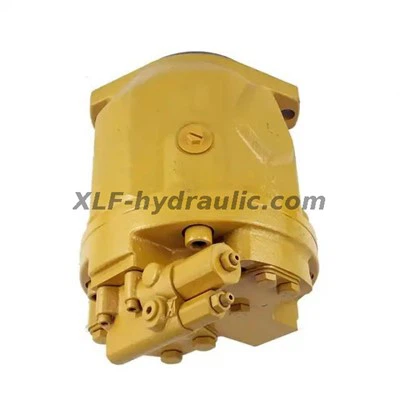
What Does Self – Priming Mean?
First off, let’s get clear on what self – priming is. In simple terms, self – priming is the pump’s ability to get rid of air from its suction line and start moving fluid all by itself. Now, this might not seem like a big deal at first glance, but it actually matters a whole lot in real – world applications.
Imagine you’re working in a hydraulic system where the pump is placed above the fluid source. Without self – priming ability, you’d have to manually fill the suction line with fluid before the pump can even start working. That’s not only time – consuming but also a hassle, especially in industrial settings where every minute counts.
The Self – Priming Ability of A4VSO Axial Piston Pumps
The A4VSO Axial Piston Pumps are pretty great when it comes to self – priming. Thanks to their well – designed structure, these pumps can create a low – pressure area in the suction chamber during the startup process. This low – pressure area sucks in air from the suction line. As the pump keeps running, the air is gradually pushed out through the discharge port, and fluid starts to enter the pump.
The key here is the precision engineering of the piston and valve systems. The pistons inside the A4VSO pump move in a coordinated way, and they’re sealed very tightly. This helps in maintaining the necessary pressure difference to achieve self – priming. And the valve design ensures that the fluid flow is smooth and the air is efficiently removed.
Why is Self – Priming Important for A4VSO Pumps?
In Industrial Applications
In industrial environments, the A4VSO pumps are often used in various machinery such as construction equipment, mining machines, and manufacturing lines. These machines might need to be started up and shut down multiple times a day. With the self – priming ability, operators don’t have to waste time on manual priming every time they start the machinery. This boosts the overall productivity of the operation.
For Remote or Harsh Environments
In remote areas or places with harsh conditions, getting the pump up and running quickly can be a matter of efficiency or even safety. For example, in a remote oil field, if a hydraulic system using an A4VSO pump needs to be restarted after a power outage, the self – priming feature allows the pump to start working right away. This helps in preventing system failures and potential safety hazards.
Factors Affecting the Self – Priming Ability
Fluid Viscosity
The viscosity of the fluid being pumped is a big factor. If the fluid is too thick, like some heavy – duty lubricating oils, it can make it harder for the pump to self – prime. Thick fluids don’t flow as easily, so the air removal process takes longer. On the other hand, if the fluid is too thin, it might not create enough seal between the pump components, which can also affect the self – priming performance.
Suction Lift
The height between the pump and the fluid source, also known as the suction lift, is another important factor. The A4VSO pumps have a certain maximum suction lift they can handle for effective self – priming. If the suction lift is too high, the pump might struggle to create enough low pressure to draw in the fluid and remove the air.
Air Leakage
Even a small air leak in the suction line can mess up the self – priming process. The A4VSO pump needs to be able to build up and maintain a proper pressure difference to work effectively. If there’s an air leak, the pressure isn’t stable, and the pump might not be able to prime itself.
Maintaining the Self – Priming Ability
Regular Inspections
To make sure the A4VSO pump keeps its self – priming ability, regular inspections are a must. Check the suction line for any signs of damage or wear that could lead to air leaks. Also, inspect the pump components like the pistons and valves for any signs of wear and tear.
Fluid Quality
Using the right fluid and keeping it clean is crucial. As I mentioned earlier, fluid viscosity affects self – priming. So, make sure you’re using the fluid recommended by the manufacturer. And keep an eye on the fluid’s cleanliness. Contaminants in the fluid can damage the pump components and reduce the self – priming efficiency.
Proper Installation
Installing the A4VSO pump correctly is key to maintaining its self – priming ability. Make sure the pump is level and properly aligned. Ensure that the suction line is short and straight as much as possible to reduce the resistance to fluid flow.
Comparing with Other Pumps
When you compare the A4VSO Axial Piston Pumps with other types of pumps, their self – priming ability really stands out. Some other pumps might require external priming devices, which adds to the cost and complexity of the system. In contrast, the A4VSO pumps can handle self – priming tasks easily, making them a more convenient and cost – effective choice in many situations.
Conclusion

In a nutshell, the self – priming ability of A4VSO Axial Piston Pumps is a game – changer. It offers convenience, boosts productivity, and works well in a variety of applications and environments. Whether you’re running a big industrial operation or a small – scale business that relies on hydraulic systems, these pumps can be a great asset.
Hydraulic Valve If you’re in the market for high – quality A4VSO Axial Piston Pumps with excellent self – priming ability, I’d love to have a chat with you. Reach out to me about your specific needs, and we can discuss how these pumps can fit into your system. Let’s work together to find the best solution for your pumping requirements!
References
- Hydraulic Pump Handbook
- Technical Manuals of A4VSO Axial Piston Pumps
Wuhan Xinlaifu Hydraulic Equipment Co., Ltd.
Wuhan Xinlaifu Hydraulic Equipment Co., Ltd. is one of the most professional a4vso axial piston pump manufacturers and suppliers in China, featured by high quality OEM&ODM products. Please feel free to buy customized a4vso axial piston pump from our factory.
Address: Liansu Industrial Park, No.1, Xincheng 11th Road, Dongxihu District, Wuhan, Hubei, China
E-mail: service@xlf-hydraulic.com
WebSite: https://www.xlf-hydraulic.com/
