When it comes to the world of mechanical engineering and automation, custom gearboxes and motors are the unsung heroes that power countless industrial and commercial applications. As a seasoned supplier in the custom gearbox and motor industry, I often get asked the question: "How much does a custom gearbox & motor cost?" It’s a complex question with no one – size – fits – all answer, as the cost is influenced by a multitude of factors. In this blog, I’ll delve into these factors and provide you with a comprehensive understanding of the pricing dynamics in the custom gearbox and motor market. Custom Gearbox & Motor

Factors Affecting the Cost of Custom Gearboxes
Design Complexity
The design of a custom gearbox plays a crucial role in determining its cost. A simple gearbox with basic functionality and standard gear ratios can be relatively inexpensive to produce. For example, a single – stage gearbox with a straightforward design may require less engineering time and fewer specialized components. On the other hand, a multi – stage gearbox with complex gear arrangements, such as planetary gear systems, can be significantly more costly. Planetary gearboxes offer high torque density and compactness, but their intricate design requires precise manufacturing processes and high – quality materials. The engineering team needs to spend more time on calculations, simulations, and prototyping to ensure the gearbox meets the specific requirements, which adds to the overall cost.
Material Selection
The materials used in the construction of a custom gearbox have a direct impact on its price. Common materials for gears include steel, aluminum, and brass. Steel is a popular choice due to its high strength and durability, but it can be more expensive than aluminum or brass. The quality of the steel also matters; high – grade alloy steels with better wear resistance and fatigue properties will cost more than standard carbon steels. Additionally, if the gearbox needs to operate in a harsh environment, such as high temperatures or corrosive conditions, special materials like stainless steel or coated alloys may be required, further increasing the cost.
Manufacturing Processes
The manufacturing processes involved in producing a custom gearbox can vary widely in cost. Traditional machining methods, such as turning, milling, and grinding, are well – established but can be time – consuming and labor – intensive. For large – scale production, these methods may become more cost – effective due to economies of scale. However, for custom gearboxes with low production volumes, the setup costs for machining equipment can be a significant factor in the overall price. Advanced manufacturing techniques, such as 3D printing, offer the potential for rapid prototyping and reduced lead times. While 3D printing can be cost – effective for small – scale production and complex geometries, the cost of specialized 3D – printing materials and the limited availability of high – performance printers can still make it relatively expensive.
Custom Features and Specifications
Any custom features or specifications added to a gearbox will increase its cost. For instance, if a gearbox requires a specific output shaft size, keyway, or mounting configuration, additional machining and customization will be necessary. Noise and vibration reduction requirements can also add to the cost, as special dampening materials or design modifications may be needed. Sealing options are another consideration; if the gearbox needs to be dust – proof, water – proof, or explosion – proof, the use of high – quality seals and enclosures will raise the price.
Factors Affecting the Cost of Custom Motors
Power and Torque Requirements
The power and torque requirements of a custom motor are among the primary factors influencing its cost. Higher – power motors generally require more materials, such as copper windings and magnetic materials, which increases the raw material cost. For example, a high – torque motor designed for heavy – duty applications like industrial machinery or electric vehicles will be more expensive than a low – torque motor used in a small consumer device. Additionally, motors with variable speed or high – precision control capabilities may require more complex electronic components and control systems, further adding to the cost.
Motor Type
There are different types of motors available, including DC motors, AC motors, and servo motors, each with its own cost characteristics. DC motors are relatively simple in design and are often used in applications where cost is a major consideration. However, for more precise control and high – performance applications, servo motors are preferred. Servo motors offer superior accuracy, speed control, and torque regulation, but they are more expensive due to their advanced feedback systems and sophisticated control algorithms. AC motors are commonly used in industrial applications and can vary in cost depending on their size, efficiency, and starting characteristics.
Environmental and Operating Conditions
The environmental and operating conditions in which the motor will operate can also affect its cost. Motors designed for use in hazardous environments, such as mines or chemical plants, need to meet strict safety standards. This may involve the use of explosion – proof enclosures, special insulation materials, and additional protective features. Motors operating in high – temperature or high – humidity environments may require enhanced cooling systems or moisture – resistant components, which will increase the overall cost.
Cost Estimation Process
As a custom gearbox and motor supplier, I follow a systematic approach to provide accurate cost estimates to my customers. The first step is to gather detailed information about the application requirements. This includes the desired output speed, torque, power, operating environment, and any specific custom features or constraints. Based on this information, my engineering team will develop a preliminary design concept for the gearbox and motor.
Once the design concept is finalized, we calculate the cost of materials, labor, and manufacturing processes. We consider factors such as the quantity of raw materials required, the complexity of the machining or assembly operations, and the cost of any specialized equipment or tools. We also factor in overhead costs, such as engineering design time, quality control, and administrative expenses.
In some cases, we may need to create prototypes to validate the design and performance before starting full – scale production. The cost of prototyping, including materials, testing, and any design modifications, is also included in the overall cost estimate.
Pricing Strategies in the Market
The custom gearbox and motor market is highly competitive, and pricing strategies can vary depending on the supplier. Some suppliers may offer a lower price by using lower – cost materials or less – advanced manufacturing processes. While this may be an attractive option for customers on a tight budget, it’s important to consider the long – term reliability and performance of the product.
Other suppliers may focus on providing high – quality, premium – priced products. These products often come with a higher level of engineering support, better warranties, and superior performance. The higher price reflects the investment in research and development, the use of high – quality materials, and the strict quality control measures.
As a supplier, I strive to strike a balance between cost and quality. I offer competitive pricing while ensuring that my custom gearboxes and motors meet or exceed industry standards. I believe in building long – term relationships with my customers by providing reliable products and excellent customer service.
Real – World Examples of Cost Variations
Let’s take a look at some real – world examples to illustrate the cost variations in the custom gearbox and motor market. A small – scale custom gearbox for a consumer product, such as a toy or a small appliance, with a relatively simple design and low power requirements may cost anywhere from $50 to $200. This type of gearbox can typically be manufactured using standard materials and machining processes.
On the other hand, a large – scale custom gearbox for an industrial application, such as a conveyer system or a wind turbine, with high torque and complex design requirements can cost several thousand dollars or even more. The use of high – grade materials, advanced manufacturing techniques, and extensive engineering support contribute to the higher cost.
For custom motors, a low – power DC motor for a hobby project may cost around $10 to $50. In contrast, a high – performance servo motor for an industrial automation application with precise control and high torque capabilities can cost $500 or more.
Conclusion and Call to Action
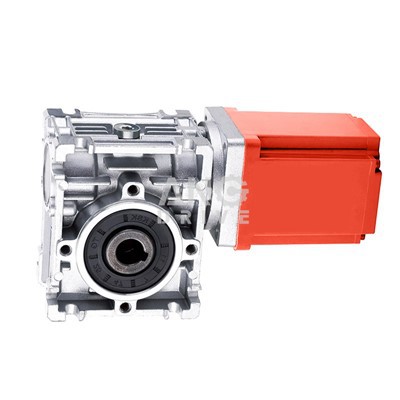
In conclusion, the cost of a custom gearbox and motor is determined by a variety of factors, including design complexity, material selection, manufacturing processes, and custom features. By understanding these factors, you can make more informed decisions when it comes to purchasing custom gearboxes and motors for your specific applications.
Helical Gear Motor If you’re in need of a custom gearbox or motor and want to get an accurate cost estimate, I encourage you to reach out to me. I have a team of experienced engineers who can work closely with you to understand your requirements and provide you with a tailored solution. Whether you’re working on a small – scale project or a large – scale industrial application, I’m committed to providing you with high – quality products at competitive prices. Contact me today to start discussing your custom gearbox and motor needs.
References
- Machine Design Handbook: Covers mechanical engineering principles related to gearbox and motor design.
- Electrical Engineering Textbooks: Provide in – depth knowledge of motor types, power requirements, and control systems.
- Industry Reports on Custom Gearbox and Motor Manufacturing: Offer insights into market trends, pricing, and technological advancements.
Hangzhou ANG Drive Co., Ltd.
We’re well-known as one of the leading custom gearbox & motor manufacturers and suppliers in China, also support custom service. Please feel free to wholesale high quality custom gearbox & motor made in China here from our factory. Contact us for more details.
Address: No.185, Jincheng Rd., Hangzhou 311202, China
E-mail: export6@angdrive.com
WebSite: https://www.angdrive.com/
