Hey there, if you’ve ever stared at a stack of plywood at a job site, hardware store, or even in my warehouse (shoutout to my regulars who stop by just to eyeball new stock), you’ve probably seen those vague labels: A-grade and B-grade. I get it, at first glance, they look like just two random letters, maybe a little fancier than “good” and “better” but not actually that different. But trust me—when you’re buying plywood, especially for projects that actually need to hold up (I’m talking to you, cabinet makers, deck builders, and DIYers who spent 3 months planning a backyard shed), mixing up A and B grade can turn a solid project into a headache faster than a last-minute material run. Plywood
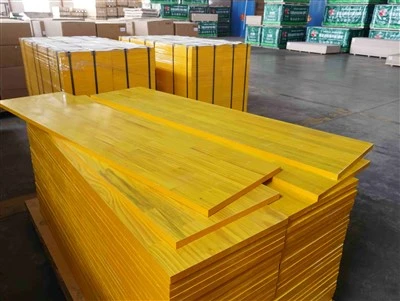
I’ve been in the plywood game for 12 years now, and I’ve had more than a handful of builders come to me panicking because they grabbed B-grade for a custom bookshelf that now has a knot the size of a dinner right in the middle of the shelf edge. Or a handyman who used A-grade for a subfloor that was totally overkill and burned through 20 extra sheets for no reason. That’s the kind of stuff I want to help you avoid, so let’s break this down like we’re chatting over a coffee in my back office (I keep a pot going 24/7, don’t be shy).
First off, let’s get one thing straight: grade for plywood isn’t just a random label some guy made up to charge more for sheets with fewer knots. It’s standardized, but wait—there’s a catch. The most common grading system in North America (which is basically what we use here at my supply yard) comes from the APA—The Engineered Wood Association, right? They set the rules for softwood plywood, which is the stuff most people use for construction, furniture, and big DIY projects. Yeah, there are other grading bodies, but if you see A or B grade on a sheet, that’s almost always APA grading.
Now, let’s start with A-grade, since that’s the one most people associate with “premium” plywood. What makes a face sheet A-grade? First, it’s got to be nearly flawless. I’m talking about the surface—no big knots (max size is like a pencil eraser, if that), no cracks, no dents, no weird discoloration, no splits along the veneer edge. Even the small natural knots that are super common in pine or fir? They’re trimmed out or covered with a wood patch that matches the grain so well you can barely see it. The whole point of A-grade is that it’s a smooth, consistent surface that you don’t have to do much (or any) prep work on.
Wait, but here’s a thing I always tell first-time buyers: A-grade doesn’t mean it’s stronger. Strength depends on the core and the inner plies of the plywood, not just the face. That’s a myth I’ve been trying to kill since my first year in business. A-grade is all about appearance, performance-wise. If you’re building a cabinet door, a bookshelf, a tabletop, or anything that’s going to be on display where people will run their hands over it and stare at it, A-grade is the way to go. You can sand it once, stain or paint it, and it’ll look like it came straight from a high-end furniture store. No weird patches peeking through, no lumpy areas, nothing that’ll make you go “ugh” when you’re done.
Now, B-grade. This is the one that throws people off because it’s not “bad” plywood—it’s just for different jobs. B-grade face sheets can have a bit more character. Knots are bigger here—think a quarter, maybe even a golf ball, depending on the wood species. You can have small splits, some slight discoloration, and the patches are a little less perfect. They don’t have to match the grain as closely because, well, B-grade is usually going to be hidden or not the star of the show.
But here’s the big difference that matters to you, the buyer: cost. A-grade is about 20-30% more expensive than B-grade, depending on the thickness and wood type. If you’re using it for something that doesn’t need to look good, why would you pay that extra? I had a guy last month come in buying 50 sheets for a subfloor. He tried to get A-grade because he “figured it’s stronger.” I sat him down, showed him a B-grade sheet, pointed out the inner plies were identical to A-grade, and told him he was wasting $400 for no reason. He ended up getting B-grade, saved the cash, and texted me a week later saying the subfloor was going down perfectly.
Wait, let’s talk about the inner plies for a sec, because that’s something a lot of people skip when comparing grades. A and B grade only describe the two outer face sheets. The inner layers (the core) can vary, but if you’re buying structural plywood (which is what most people need), both grades will have the same core strength. So if you’re using it for subfloors, wall sheathing, roof trusses, or bracing for a deck, B-grade works just as well as A-grade—it just doesn’t look as nice on the surface.
Now, let’s get into some real-world examples, because that’s the stuff that sticks. Last year, I worked with a contractor who was building a high-end kitchen. He used A-grade plywood for the upper cabinet faces, which made them look sleek and uniform when painted. But for the lower cabinet sides (the ones you only see if you kneel down or open the door really wide), he used B-grade. Saved him almost $1,200 on that project. Smart guy. On the flip side, I had a customer build a raised garden bed with B-grade, and it held up great for two seasons until he decided to line the inside with a plastic liner—no issues. But when he tried to build a dining table with that same B-grade, he had to spend 10 hours patching knots and sanding rough spots, and still ended up with a few areas that looked uneven when he stained it.
Another thing: grading can vary a little by wood species. For example, oak plywood A-grade will have a tighter grain pattern, and knots are almost non-existent, whereas pine A-grade might have one tiny knot per sheet that’s been perfectly patched. B-grade pine might have a few knots the size of a quarter, which is fine for things like wall backing or under-shelving where it’s hidden. Don’t let the species mix you up—always focus on the face sheet grade first.
Wait, are there any other differences? Yeah, the edge finish. A-grade edges are smooth, no splinters, no rough spots. B-grade edges might have a little more splintering from the patching or the knots, so if you’re cutting it yourself, you might want to spend an extra 5 minutes sanding the edges down, but that’s a tiny hassle compared to the cost save.
Now, let’s clear up a common confusion: is there a C-grade or D-grade? Yeah, but those are way less common for most small-scale projects. C and D grade are even rougher, with bigger knots and more defects, and they’re mostly used for structural applications where appearance literally doesn’t matter—like the core of thick plywood sheets, or the back of a giant warehouse wall. So you probably won’t run into them unless you’re working on a commercial build.
What about veneer quality? A-grade veneer is a thicker, higher-quality layer than B-grade. That’s why it holds up better to sanding and staining. If you’re planning to refinish a piece or do a deep stain, A-grade is worth it because you won’t sand through the veneer accidentally—something that happens way more often with B-grade’s thinner, lower-quality face.
Let me be real with you—there’s no “right” or “wrong” choice between A and B grade, it’s all about what you need the plywood for. If your project is visible: A-grade, hands down. If it’s hidden, structural, or just needs to hold a load: B-grade will do the exact same job for way less.
I’ve seen too many people overspend on A-grade when they don’t need it, or buy B-grade for a project that’s supposed to look good, and end up frustrated. The good news is that at my yard, we don’t hide anything—every sheet is clearly labeled, and I always ask customers what their project is, so I can steer them to the right grade. I’m not here to upsell you on a more expensive sheet just because it has a better label. I’m here to get you the material that’ll work, at a price that doesn’t make you regret starting the project.
If you’re still stuck, no worries—shoot me a message or stop by. I’ll pull out sample sheets, point out the knots, show you the difference in the veneer, and we can chat through your project. No pressure, just solid advice from someone who’s been in this game long enough to know what works (and what doesn’t).

At the end of the day, plywood is plywood—until it’s not. The grade is just a tool to tell you if it’s right for your job. Don’t let the letters intimidate you, and don’t pay extra for something you don’t need. Now go build something awesome, and if you need materials, hit me up. I’ve got a truck leaving tomorrow for a job 20 miles out, and I can throw a few extra sheets in if you need them.
High End Natural Veneer Plywood References:
APA – The Engineered Wood Association. (2021). Standard for Grades and Identification of Hardwood and Softwood Plywood.
National Association of Home Builders. (2022). Plywood Selection Guide for Residential Construction.
Wood Database. (2020). Plywood Grading: Understanding Face Sheet Quality and Application.
Linyi Zequan Wood Industry Co., Ltd.
As one of the most reliable plywood manufacturers and suppliers in China, we’re featured by high quality customized products. Welcome to buy bulk durable plywood in stock here from our factory. If you have any enquiry about quotation and free sample, please feel free to email us.
Address: 20th Floor, Block A, Central Times Square, Lanshan District, Linyi City, Shandong, China
E-mail: admin@zequanwood.com
WebSite: https://www.zequan-woodindustry.com/
