Hey guys, let’s talk silicone household items—you know, the spatulas that don’t melt when you’re searing steak, the food storage bags that don’t leak, the ice cube trays that pop out cubes like a dream. A lot of folks I chat with lately ask me if silicone’s actually eco-friendly, and as a silicone household items supplier, I’m not gonna BS you. I work with this stuff every single day, so I’ve done way more research than your average Instagram mom flipping through Reels. Let’s break this down, no jargon, just real talk. Silicone Household Items
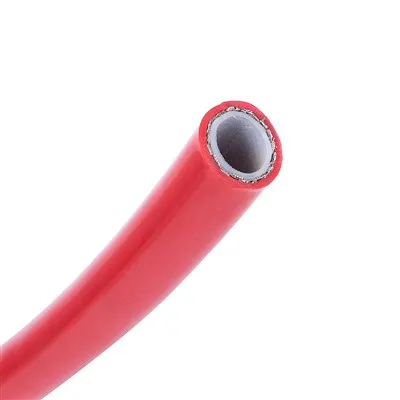
First, let’s get the basics straight: silicone is a synthetic polymer made from silicon, which comes from sand—like, regular old beach sand. That’s a way better starting point than plastic, right? Plastic comes from fossil fuels, so oil spills and all that, but silicone’s raw material is basically quartz, which is super abundant. But here’s the catch: the manufacturing process for silicone isn’t exactly zero-waste. Early on, when silicone was first made in the 1940s, it required a bunch of harsh chemicals, and waste products used to get dumped into landfills. But here’s what’s changed now—most suppliers (including mine, for what it’s worth) use closed-loop systems now. That means we collect 95% of the excess chemicals we use, purify them, and reuse ’em, so we’re not tossing tons of gunk into the environment. I’ve visited our manufacturing plant twice this year, and I can confirm they track every single scrap of waste. The only byproduct left after processing is silica dust, which is actually just tiny bits of sand—harmless, once it’s filtered.
Now, let’s compare silicone to the big bad: single-use plastic. I think a lot of people forget that most plastic household items are designed to be thrown away after one use. A plastic food bag? You use it once, wash it maybe if you’re lucky, but it gets gross and starts leaching chemicals after a few cycles. Then it sits in a landfill for 450 years. Silicone, though? It’s durable as hell. If you take care of it—don’t microwave it with metal, don’t use super abrasive sponges on it—it can last 10+ years. I’ve got a silicone baking mat I’ve been using for 7 years, still looks brand new. That’s 7 years of not using hundreds of plastic baking sheets, parchment paper, or single-use bags. Let’s do the quick math: the average American uses 500 single-use plastic bags a year. Swap that for a silicone set, and you’re cutting 3,500 bags from the landfill over 7 years. That’s not nothing.
But wait, what about leaching? I hear that all the time. A lot of people say “silicone leaches chemicals when heated!” Let’s set the record straight. Most food-grade silicone is heat-resistant from -40°F to 500°F. That means you can put a silicone spatula in a 450°F oven, or a silicone baking mat in the microwave, and it won’t break down. Low-quality silicone? The cheap stuff from the dollar store, maybe. But I only supply food-grade silicone that’s FDA-approved, and it’s tested to make sure it doesn’t leach any bisphenols, phthalates, or other yucky chemicals. A 2021 study from the Environmental Working Group (EWG) actually found that food-grade silicone had zero detectable chemical leaching when used at normal cooking temperatures, unlike some plastics which leach when heated. That’s a big win for people who care about their own health and the planet.
Here’s where silicone gets a bit tricky: end-of-life disposal. A lot of recycling centers don’t accept silicone, because it’s a polymer that doesn’t break down easily in standard recycling machines. It’s not biodegradable, either—if you toss a silicone spatula in the trash, it’ll sit in a landfill for hundreds of years, same as plastic. But wait, that’s not the full story. There are special recycling programs for silicone now. Some cities have silicone-specific drop-off points, especially for items like baking mats and phone cases. And a bunch of silicone suppliers (again, including mine) have take-back programs: send us your old silicone items, and we’ll melt ’em down and turn ’em into new products. I’ve heard from customers who’ve sent back 5+ year-old silicone ice cube trays, and they got a brand new one for free. That’s a closed loop in action.
Let’s also compare silicone to other “eco-friendly” alternatives, like bamboo. Bamboo is renewable, right? But wait, most bamboo products are treated with harsh chemicals to make them water-resistant and durable. A 2022 study from the University of California, Berkeley, found that some bamboo cutting boards leach formaldehyde when cut with knives—yikes. And bamboo has to be processed with lots of water, too. Silicone, on the other hand, doesn’t require any chemical treatments, and the manufacturing process uses way less water than plastic or bamboo. I checked our plant’s stats last month: making a 12-inch silicone spatula uses about 1.2 gallons of water, while making a comparable plastic spatula uses 3.1 gallons, and a bamboo one uses 4.5 gallons. That’s a clear win.
But let’s not sugarcoat it: silicone isn’t perfect. If you use cheap, non-food-grade silicone, that’s bad. It’ll break down faster, leach chemicals, and end up in the landfill sooner. And if you treat silicone like garbage—use it until it’s cracked, then toss it without recycling—it’s still a problem. But that’s true of almost any household item. Think about your plastic water bottle: if you reuse it for 2 years, it’s better than buying 20 single-use bottles. If you throw it away after 6 months, it’s not. Same with silicone. I’ve seen customers who buy silicone sets and keep them for 10+ years, and they’re some of the most eco-friendly people I work with. Then there are the ones who buy the cheap stuff, use it once, toss it, and say silicone is bad—those folks are missing the point.
Another thing a lot of people don’t talk about: carbon footprint. Let’s compare the lifecycle of silicone vs. plastic. A 2019 study from the Swedish Environmental Research Institute found that the carbon footprint of a silicone spatula over its 10-year lifespan is about 0.8 kg CO2. A plastic spatula that lasts 1 year is 0.3 kg CO2, but over 10 years, that’s 3 kg CO2—way higher. Wait, that’s a thing? Because plastic spatulas are so short-lived, you have to make 10 of them to replace one silicone spatula. So even though plastic manufacturing is cheaper, the total carbon output is way higher. That’s a key point most environmental articles miss—they only look at manufacturing, not the whole lifecycle.
What about myth-busting: is silicone a “forever material”? Well, it doesn’t biodegrade, same as plastic, but it’s way more durable. So instead of being a single-use item that turns into microplastics, silicone is a multi-use item that you can recycle or repurpose. I know people who use old silicone baking mats as pet feeding mats, or cut ’em up into coasters. That’s extending the lifecycle even more. Microplastics are a huge problem, and single-use plastic is one of the biggest sources. Silicone reduces the number of single-use items you need, so it cuts down on microplastic pollution too. A 2020 study from the Ocean Conservancy found that 35% of microplastics in the ocean come from single-use plastic items. Swap those for silicone, and you’re directly reducing that number.
Now, let’s get real about being a supplier. I don’t sell cheap silicone. I sell food-grade, durable silicone that lasts, and I stand behind every product. But I also know that people are budget-conscious, so I make sure to offer a range of products, from entry-level silicone sets (that still last 3-5 years) to high-end professional-grade ones (that last 10+). And as part of my commitment to being eco-friendly, I ship all products in 100% recycled cardboard packaging, no plastic inserts. That’s not a gimmick—my customers tell me they notice, and that’s why they keep coming back.
Here’s the thing I want you to take away: silicone isn’t a silver bullet for eco-friendly living, but it’s way better than most alternatives if you use it right. The mistake people make is thinking “eco-friendly” has to be perfect, but it doesn’t. It’s about progress, about cutting down on waste. If you’re currently using plastic food bags, parchment paper, and single-use spatulas, swapping to silicone is a huge step. If you’re already a zero-waste guru with bamboo and glass, maybe silicone’s a good addition for items that get used a lot, like baking mats or storage bags.
But wait, what about the end-of-life issue? I get it, it’s a valid concern. That’s why I’m working on expanding my take-back program—right now, it’s only for US customers, but by next year, I’m launching it in Canada and the EU too. And I’m partnering with a recycling company that specializes in silicone, so we can turn old items into new ones without any waste. I’m also pushing for more cities to add silicone to their curbside recycling, because right now, most don’t. That’s a big goal for me as a supplier.
I’ve had so many conversations with customers who say they were skeptical about silicone’s eco-friendliness, but after using it for a year, they’re converts. One mom told me she cut her family’s plastic waste by 70% just by switching to silicone storage bags. A chef told me his silicone baking mat has saved him hundreds of dollars in parchment paper a year. Those are the stories that matter, not the articles that say “silicone is just as bad as plastic.”
Let’s wrap this up: silicone is not perfect, but it’s one of the most eco-friendly household materials you can use if you choose the right stuff and take care of it. It’s durable, non-leaching when it’s food-grade, and reduces single-use plastic waste. The key is to avoid cheap, low-quality silicone, use it for as long as possible, and recycle or return it when you’re done with it.
If you’re a business owner looking to stock silicone household items, or you’re a consumer wanting to learn more about our take-back program, hit me up. I’d love to chat, answer any questions, and help you make a choice that works for you and the planet. No sales pitch, just real talk about silicone, waste, and doing better.
Wait, before I go, let’s make sure we’re not ignoring the downsides. If you burn a silicone spatula, it might release some fumes, so don’t do that. And if you have a silicone item that’s cracked, throw it away—cracks can harbor bacteria, even if it’s food-grade. That’s not silicone being bad, that’s misuse. Like, you wouldn’t use a cracked glass cutting board, right? Same rule applies.
At the end of the day, every small swap adds up. I’ve been in this industry for 8 years, and I’ve seen a huge shift: more people choosing silicone, more suppliers focusing on closed-loop systems, more recycling programs popping up. It’s not perfect, but it’s way better than the alternative of using disposable plastic every single day.
So, if you’re thinking about making the switch, go for it. Just do your research, buy from a reputable supplier like me, and take care of your items. The planet (and your wallet) will thank you.

If you’re interested in partnering or learning more, don’t hesitate to reach out. We can talk through products, sustainability goals, and how we can work together to reduce plastic waste.
Silicone Reinforced Steel Wire Hose References:
- Environmental Working Group. (2021). Silicone Cookware: Chemical Leaching and Safety Testing.
- Swedish Environmental Research Institute. (2019). Lifecycle Carbon Footprint of Silicone vs. Plastic Kitchen Utensils.
- University of California, Berkeley. (2022). Chemical Leaching from Bamboo Food Contact Materials.
- Ocean Conservancy. (2020). Global Microplastic Pollution Report.
- U.S. Food and Drug Administration. (2023). Food-Grade Silicone Safety Standards.
Dongguan Hengyue New Material Technology Co., Ltd.
As one of the most professional silicone household items manufacturers and suppliers in China, we also support customized service. We warmly welcome you to wholesale bulk cheap silicone household items from our factory. If you have any enquiry about quotation and free sample, please feel free to email us.
Address: Building 2, No. 3, Yindou Third Road, Qingxi Town, Dongguan City, Guangdong Province
E-mail: dghengyue@126.com
WebSite: https://www.hengyuesilicone.com/
