Alright, let’s cut to the chase—if you’re in construction, facilities maintenance, or even event setup, you’ve probably heard the hype around used boom lifts lately. A lot of folks reach out to us first thing asking, “Are these things actually easy to operate, or am I gonna end up with a fancy paperweight that takes a 3-day certification to run?” As a used boom lift supplier who’s been in this game for 7 years, I’m gonna break this down straight—no corporate fluff, no fancy jargon, just the real deal based on what we see every single week. Used Boom Lift
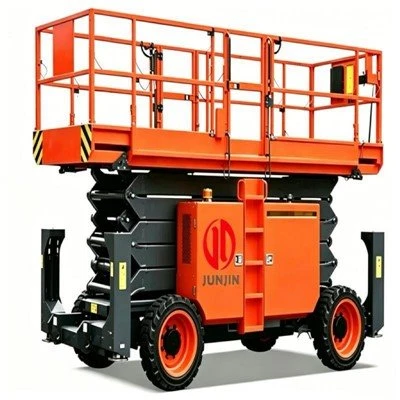
First off, let’s get one thing straight: “easy to operate” isn’t a one-size-fits-all answer. It depends on three big things: the model year, how well it was taken care of by the previous owner, and whether you actually sit through a basic training (surprise—this isn’t a lawnmower you can figure out in 2 minutes). Wait, I know what some of you are thinking: “I used a brand-new boom lift last summer and it was a breeze. Why would a used one be different?” That’s fair, but let’s pull back the curtain on what’s changed in boom lift design over the last decade.
Back in the early 2000s and before, boom lifts were brutal—think clunky joysticks that felt like they were made of rusted metal, fuses that kept blowing for no reason, and hydraulics that moved so slow you could make a sandwich while waiting for the arm to extend. Then around 2012-2013, manufacturers like Genie and JLG flipped the script. They swapped those analog joysticks for proportional electronic ones, added intuitive control panels with clear digital readouts, and even threw in safety features that basically keep you from doing something stupid (like leaning too far over the edge). Here’s the thing: most used boom lifts we stock these days are from that 2012 to 2020 sweet spot. Those units are almost as easy to run as a brand-new one—we’ve had first-time operators hop in, do a quick walkaround, and get to work 20 minutes later. The old pre-2012 models? They’re not impossible, but they’re way more finicky—good for folks who’ve done this a hundred times, not so great for a weekend rental or a new crew member.
Now, let’s talk about the biggest factor no one mentions: maintenance history. When you buy a used car, you check the CarFax, right? Same exact rule applies to used boom lifts. Every unit we sell comes with a full maintenance log—oil changes every 250 hours, hydraulic fluid flushes, brake inspections, the works. We’ve had some customers come in with a used lift from 2015 that looked like it was run into a ditch, but no—wait, no, not literally run into a ditch, just bad maintenance. Their joystick was sticky, the arm lurching when they turned it, and the safety alarm kept going off for no reason. Compare that to another 2015 boom lift we had that was owned by a commercial painting company that did service every month—same model, but it felt like it rolled off the showroom floor. Operators hopped in and said it was easier than the new one at their shop because it had that worn-in, smooth feel. So when you’re shopping used, don’t just look at the year or price—ask for the maintenance records. If a seller can’t pull those up, walk away. You’re not just buying a metal box with an arm; you’re buying a machine that relies on consistent upkeep.
Next up, safety features—this is where a lot of new buyers get nervous. Old boom lifts didn’t have half the safety junk we take for granted now: tilt sensors that shut the machine down if it’s on a steep slope, load sensors that tell you if you’re holding too much weight, even emergency stop buttons that are actually easy to reach (not hidden under a pile of parts like they used to be). Here’s a funny story: last month, a guy came in looking for a lift to do gutter work on a 3-story house. He thought he could skip the training because he used his cousin’s old boom lift back in 2008. We showed him a 2018 model with all the safety stuff, and he laughed and said, “I don’t need all that garbage.” Then he hopped in, tried to crank the arm out over the front yard, and the tilt sensor beeped so loud he jumped. He had no idea the ground was sloped 10 degrees, and his cousin’s 2006 model didn’t have that feature. Ended up buying the 2018 one, and texted us a week later saying he finished the job in half the time and didn’t scare himself once. That’s the thing about newer used lifts—they’re not easier just because they have cool tech; they’re easier because they keep you from making silly mistakes that would’ve been a disaster 10 years ago.
Wait, but what about if you’re a total beginner? Like, you’ve never operated a boom lift in your life, and you need one for a one-time job—maybe trimming trees or fixing a sign at your business. Should you go used? Our answer is almost always yes, but here’s a tip: pick a model from that 2012+ range, and make sure you get a 30-minute one-on-one walkthrough with us (we throw that in for free with every purchase, by the way). We don’t do long, boring training courses—we show you where the emergency stop is, how to level the platform, how to extend the arm without lurching, and point out all the safety buttons so you don’t panic if something beeps. Last quarter, we had a small business owner named Maria who needed a lift to fix a broken sign at her coffee shop. She’d never run anything higher than a ladder before. We walked her through a 25-year-old 2014 Genie Z-45, and by the end, she was moving the arm smoothly like she’d been doing it for years. She even texted us a picture of the finished sign a few days later, saying it was way less stressful than she thought. That’s the kind of thing that makes this job worth it—showing people used boom lifts aren’t just for big construction crews.
Now, let’s get real about the myths that float around out there. I hear all the time: “Used boom lifts are impossible to operate because they’re worn out.” No, that’s lazy talk. A well-maintained used boom lift will have the same responsiveness as a new one—we service every single unit in our yard before it goes out, replacing any worn joystick parts, flushing old hydraulics, and testing every safety feature twice. The only time we see issues is when someone buys a cheap, no-name used lift from a random online seller that has no maintenance records. Those are the ones that give all used boom lifts a bad rap. Another myth: “They’re too heavy to move around job sites.” Nah, most models from the last 10 years are compact—you can fit a 40-foot boom lift through a standard 8-foot gate, no problem. The old ones were big and clunky, but the newer used ones are designed for tight spots, which makes ’way easier to maneuver than a big truck-mounted lift.
Wait, but what about certification? Let’s get this out of the way first—OSHA requires everyone operating a boom lift to be certified, period. We get asked all the time if that’s a hassle, but here’s the good news: it’s not the 8-hour classroom course it used to be. Most people can finish a 2-hour online certification, and then a quick hands-on test with their machine. And the nice thing about used boom lifts is that since they’re simpler than brand-new ones, the hands-on part is way less intimidating. We help every single customer fill out the OSHA certification form for free, so you don’t have to jump through hoops to get legal. That’s a big one—no one wants to get a fine because they skipped the certification.
Let’s talk about a specific example to make this concrete. Last month, we sold a 2017 JLG 600AJ to a local construction company. The foreman, Jake, said his crew had been using new JLGs for years, but they wanted a backup for when the new ones were in the shop. He hopped in the 2017 model, ran it for an hour, and said, “This is easier than the new ones—no fancy touchscreen that freezes, just plain old buttons that work.” That’s the sweet spot of used boom lifts: not too old to be finicky, not too new to have all the weird tech glitches that come with brand models. The price was 40% less than a new one, and his crew didn’t have to spend a week learning a bunch of new features. Perfect.
Now, what are the exceptions? Let’s be honest—some used boom lifts are hard to operate, but it’s not the machine itself, it’s the state it’s in. If you buy a unit that’s been sitting outside for 5 years with no oil changes, yeah, the joystick might be sticky, the hydraulics might be slow, and you’ll have a hard time. But that’s not a used boom lift problem—it’s a bad buying decision problem. We’ve seen guys come in with a unit they bought from a guy on Craigslist for half our price, and they’re trying to fix the hydraulic lines in their driveway instead of using it for work. That’s not a risk we’d ever recommend, especially when our used boom lifts come with a 30-day warranty—so if something goes wrong, we fix it, no questions asked.
At the end of the day, when people ask us “Are used boom lifts easy to operate?” our answer is: if you buy the right one, with good maintenance, get a quick walkthrough, and get certified, it’s way easier than you think. No, it’s not like driving a car—you can’t just hop in and go without any instructions, but it’s also not rocket science. The best part about buying from us? We don’t just sell you a machine—we support you. If you have a question at 8 PM on a Friday because your crew is stuck on a job site, we’re here to walk you through it. We’ve even driven out to a local job site a few times to help a first-time operator get their lift moving when they hit a small snag.
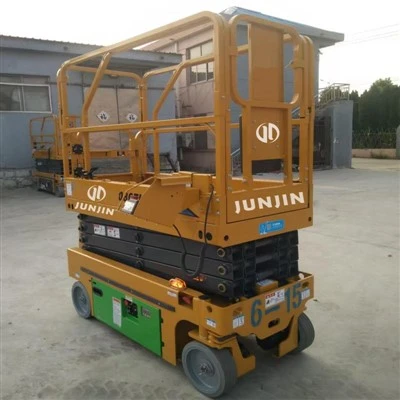
If you’re in the market for a used boom lift, don’t let the hype scare you off. They’re reliable, easy to operate (for most folks, with a little prep), and way cheaper than new. Whether you’re a small business owner, a construction foreman, or just someone who needs a lift for a one-time job, we’ve got models that fit every skill level and budget. Shoot us a message to chat through your needs—we’ll help you pick the right unit, walk you through how to operate it, and make sure you get exactly what you need without the stress.
References
Used Scissor Lift Occupational Safety and Health Administration. "Powered Industrial Trucks and Aerial Lifts." OSHA, U.S. Department of Labor, 2022.
National Equipment Rental, Sales, and Service Association. "Used Aerial Lift Maintenance Best Practices." NERSA, 2021.
Genie Industries. "Evolution of Boom Lift Controls: 2010–2020." Genie Technical Documentation, 2020.
JLG Industries. "Operator Ease of Use: Comparing Legacy and Modern Aerial Lifts." JLG Case Study, 2019.
Yantai Quanrui International Trading Co., Ltd.
As one of the most reliable used boom lift manufacturers and suppliers in China, we’re featured by high quality customized products. Please rest assured to buy discount used boom lift made in China here from our factory. Contact us for pricelist and quotation.
Address: No. 278, Sanya Road, Gaotuan Town, Fushan District, Yantai City, Shandong Province, China
E-mail: Info@quanjin1588.com
WebSite: https://www.qr1588.com/
