Hey guys, if you’re scrolling around for the fastest, most reliable way to move goods from China to Australia, you’ve probably stared at the air vs sea freight question way too long as a small business owner. I’ve been in this China to Australia air freight line game for 7 years now, so let me cut through the confusing logistics jargon and tell you exactly why air beats sea for a ton of our clients—no fluff, just real stuff that’s helped them save money, keep customers happy, and avoid that terrible “where’s my order?” panic. China To Australia Air Freight Line
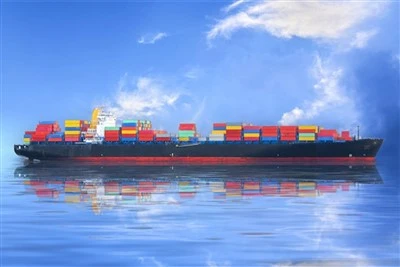
First off, let’s be real—speed isn’t just a nice-to-have, it’s non-negotiable for so many people. Sea freight from Shanghai to Sydney or Melbourne? We’re talking 28 to 45 days, right? That’s over a month waiting around if you’re restocking fast-selling skincare, electronics, or holiday merch that’s only relevant for Q4. Our air freight line? We get most standard shipments from China’s major hubs (Guangzhou, Shenzhen, Shanghai) to Australia’s capitals in 3 to 5 days, and even rural areas like Perth or Adelaide are in 6 to 8 days. I’ve had a client text me at 9am last Tuesday panicking because their custom pet bed shipment was delayed for an upcoming Australian pet expo—we rerouted it via a priority air slot, and it landed in their Sydney warehouse by Thursday afternoon. No way sea could pull that off—if that shipment had gone sea, it’d be stuck on a container off Fremantle till the expo was already over, and they’d have lost half their display spots and pre-booked customer orders. Speed doesn’t just mean faster delivery; it means you don’t have to tie up cash in inventory sitting on a ship for weeks. That’s working capital freed up to restock hot items or run marketing, not cover storage costs for stuff that’s not selling yet.
Next up, reliability and visibility—this is where so many people get burnt with sea freight. Containers get delayed left and right lately, right? Port backlogs in Shanghai or LA, weather in the Tasman Sea, even labor strikes can make your shipment vanish for weeks with zero heads up. With our China to Australia air freight line, every single pallet and parcel gets scanned at pick-up, tracked in real-time via our portal, and we have direct partnerships with major airlines so there’s no middleman messing up the process. Last month, a small boutique seller I work with told me their last sea shipment was delayed 10 days because of a port strike, and they had to offer 20% discounts to customers who’d pre-ordered their winter wool socks—costing them almost $12k. When they switched to air for their next winter restock, there were zero surprises, they knew exactly when the shipment would land, and they didn’t have to dip into profits to fix a sea freight mess. Also, air has way less handling: sea freight means your stuff gets loaded and unloaded multiple times at ports, sometimes sat in open yards for days getting dusty or damaged, while air is handled at airports and loaded straight onto planes—way lower risk of broken products, lost boxes, or that “did my order even leave China?” panic.
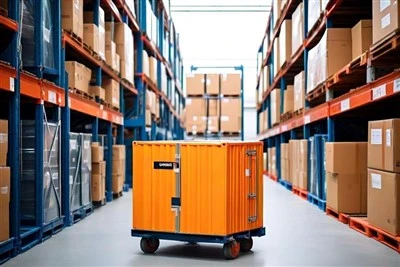
Oh, and warehouse space in China and Australia is not cheap, right? If you’re a small business with limited storage, sea freight requires you to order huge batches to make the per-unit cost worth it, which means you’re stacking boxes in your Aussie warehouse waiting to sell. That’s tying up cash in inventory and paying for rental space you don’t need. Air freight lets you order smaller, more frequent batches—like 50 units vs 500—so you keep your warehouse lean, don’t pay extra for unused space, and if something doesn’t sell, you don’t have a pile of unsold stuff eating into your budget. I had a client who sells hand-painted ceramic mugs—they started with sea freight to save money, but half their mugs got chipped sitting on a ship for 35 days, and they had to throw out 15% of the shipment. When they switched to air, they order 100 mugs at a time, get them in 5 days, and no more damaged goods because handling is way less. Also, for perishables—food, plant cuttings, even live goods like small reptiles or plant-based products that have short shelf lives—sea is a non-starter. You can’t send fresh matcha or vegan snack bars on a 40-day sea voyage, they’d go bad before they even reach Australia. Our air freight line has cold chain options too, so perishables stay fresh, and we can get them to Aussie stores before their expiration dates.
Wait, let’s talk about cost, because I know that’s the first thing people ask. A lot of folks think air is way more expensive than sea, but that’s only if you compare per-unit cost for huge, slow bulk shipments. When you factor in hidden costs—storage fees, discounts for delayed orders, damaged goods, tied-up cash—air often ends up being cheaper overall. Let’s do a quick example: a client moving 100 kg of gym gear. Sea freight would be ~$800, but add $300 in storage while it’s delayed, $200 in discounts for late pre-orders, and $150 to replace broken items, and that’s $1,450 total. Our air freight line is ~$1,200, no hidden fees, no delays, no damage. That’s a $250 saving right there. Also, for smaller shipments—like under 500 kg—air is way more competitive because sea freight has minimum volume requirements. You can’t send 100 kg via sea without paying for a full container space, which is way overkill, but air lets you send exactly what you need, no minimums. I work with a bunch of Etsy sellers who make custom jewelry—they send 10-20 kg every couple weeks, and air works out cheaper than sea because sea would force them to wait till they have 50 kg, tying up their money for weeks.
Another big one: compliance and customs. We know how annoying Aussie customs can be—stuff getting held up for weeks because of missing docs, or incorrect declarations. Our China to Australia air freight line has a dedicated customs team that knows all the Aussie import rules inside out—we make sure all your paperwork is correct before the shipment even leaves China, we handle the customs clearance on the Aussie end, so you don’t have to deal with hold-ups from missing forms. Sea freight customs is way more sluggish because there’s way more volume, so your shipment gets stuck in the queue for days. Last quarter, a client importing baby clothes had their sea shipment held for 12 days because of a customs paperwork error, while a client using our air line had their same baby clothes cleared in 8 hours and delivered to their door the next day. No more sitting around waiting for customs to process your stuff.
Wait, let’s not forget special cargo. If you’re moving bulky but time-sensitive stuff—like furniture parts, gym equipment, or even medical supplies—sea is too slow, and sometimes too risky for large items that can get damaged moving in and out of containers. Our air line can handle oversized cargo too, we have specific slots for big items, so you don’t have to wait for a ship to have extra space. A client who makes custom outdoor patio sets told me they tried sea for their first shipment, and one of the sets got dented by a crane while being loaded, and the replacement took another 30 days. Now they use our air freight line, the sets get there in a week, and handling is way gentler because we use specialized equipment for large items.
I get it, switching freight lines can feel like a big deal if you’ve been doing sea for years. But here’s the thing: most small to medium businesses that switch from sea to our China to Australia air freight line see their customer satisfaction scores go up by 20% within the first 3 months, because orders arrive on time, no delays, no damaged goods. And that translates to more repeat customers, better reviews, and more sales. I’m not here to sell you something you don’t need—if you’re moving 1000 kg of non-perishable, non-time-sensitive stuff, sea might make sense. But if you’re restocking fast, selling seasonal stuff, moving perishables, or just tired of waiting weeks for your goods, air is the clear winner.
If you’re tired of the sea freight headache—delays, hidden fees, damaged goods, tied-up cash—hit me up to chat more. We can tailor a plan for your specific needs, whether you’re a small Etsy seller, a retail store, or a growing business. No pushy sales talk, just real advice from someone who’s been in this game for years. Let’s make your freight process easier, faster, and more reliable.
Large-item Logistics From China To Australia References:
- Australian Bureau of Statistics (2023). International Trade in Goods and Services: Freight Costs by Mode.
- International Air Transport Association (IATA) (2024). Air Freight Reliability Report for Asia-Pacific Routes.
- Sea-Intelligence (2023). Global Container Port Delay Analysis: China to Australia Trade Lanes.
- National Retail Federation (NRF) (2024). Small Business Freight Strategy Guide: Speed vs. Cost Tradeoffs.
- Food and Agriculture Organization (FAO) (2023). Cold Chain Logistics for Perishable Goods: Air vs. Sea Freight.
Shenzhen Kuaihui International Logistics Co., Ltd.
Shenzhen Kuaihui International Logistics Co., Ltd. is a leading China-Australia dedicated logistics service provider in China. As a professional agent and platform, we are committed to providing high quality china to australia air freight line with low price. Welcome to contact us for pricelist.
Address: 3rd Floor, Building 6, Nanbiantou Industrial Zone, Xifang, Songgang Street, Bao’an District, Shenzhen City, Guangdong Province
E-mail: info@kkhwl.com
WebSite: https://www.kuaihuiexp.com/
