Hey everyone, let’s cut to the chase: if you’re deep into gardening—whether you’re growing a tiny windowsill herb collection, a full backyard veggie patch, or a flower bed that’s been your weekend project for years—you’ve probably stumbled on random, over-the-counter soil tweaks. Lime? Dolomite? Gypsum? All the big names for adjusting pH or loosening compacted dirt. But lately, I’ve been getting a TON of DMs (and even a few direct questions at trade shows, since I’m a calcite powder supplier, not just some random internet guy) asking: can calcite powder actually work for gardening? Like, is this stuff just another viral garden hack, or is there real science behind it? Calcite Powder
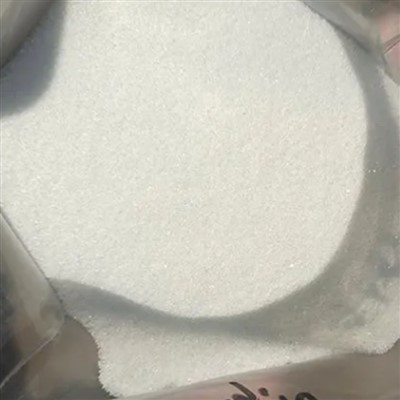
First, let’s stop right here and get one tiny but super important detail out of the way. I’m not some botanist with a PhD locked in a lab (though I’ve definitely learned a lot over the years testing this stuff with local master gardeners who swear by it). Calcite powder is just crushed, ground-up calcium carbonate—same main ingredient as the lime they sell for lawns, wait, hold on, no—wait, wait, let’s clarify that because so many people mix these two up. Dolomitic lime has both calcium carbonate and magnesium carbonate, right? Calcite powder? It’s pretty much pure calcium carbonate. That’s the key difference.
Now, let’s talk about what garden soils actually need, because if you don’t know that, you’re just guessing. Most plants (tomatoes, roses, veggies, even most houseplants) like a soil pH that’s not too acidic, not too alkaline—usually between 6.0 and 7.0, that “Goldilocks zone” where nutrients like nitrogen, phosphorus, and potassium (the N-P-K on your fertilizer bottles) are actually available to roots. If your soil is too acidic (pH below 6.0), those nutrients get “locked up” — your tomato plants might have yellow leaves even if you dump fertilizer on them, because they can’t absorb what’s there. That’s where calcite powder comes in: it raises soil pH, same as lime, but it works a little differently. Unlike fast-acting lime that can spike pH too quickly (and burn delicate roots if you overdo it), calcite powder reacts slower, which is way better for gardens with plants that hate sudden changes, like blueberries? Wait no, wait—blueberries like acidic soil, so you’d avoid calcite there. Right, I’ll get to that.
Let’s get into the actual benefits that I’ve seen (and that are backed by soil science, not just vibes). First, calcium, duh. Calcium is a big deal for plant cell walls—think sturdy tomato fruits that don’t get blossom end rot, or roses that don’t drop buds before they bloom. Wait, blossom end rot is super common, and people usually chalk it up to not enough water, but sometimes it’s not that—sometimes the plant can’t access calcium because the soil is too acidic, or compacted, so roots can’t take it up. Calcite adds that extra bioavailable calcium, not just raising pH. Second, it improves soil structure. If you have super sandy soil that drains too fast and can’t hold nutrients, or clay that’s as hard as a brick when it dries out, calcite flocculates clay particles—basically, it makes those tiny clay clumps stick together into bigger, crumbly ones, so water and air can get down to roots instead of just running off or sitting and causing root rot. Third, it doesn’t add magnesium, which is a pro and a con. If you have soil that’s already high in magnesium (common if you use Epsom salt regularly), adding dolomitic lime would throw that balance off, but calcite keeps your magnesium levels steady. That’s a huge win for gardeners who have tested their soil and know their numbers.
Wait, let’s talk about the test part—because this is not stuff you guess. Before I ever suggest calcite powder to a gardener, the first thing I tell them is: get a soil test. It’s like checking your own blood work, you don’t start taking supplements without knowing what’s low. You can pick up a cheap test kit at any garden center, or send a sample to your local extension office (most do it for like $15, way worth it). The test will tell you two key things: current pH, and existing calcium levels. If your pH is below 6.0 and your calcium is low, calcite is perfect. If you already have high pH (above 7.0), or your plants like acidic soil (azaleas, blueberries, rhododendrons, potatoes, pine trees), skip it—this stuff will mess up their groove.
Now, let’s get real about how to actually use it, because there’s a right way and a wrong way. I see people dumping a whole bag and then wondering why their plants died. First, application rate: it’s not a one-size-fits-all. Your soil test will give you a recommendation for how much calcium carbonate you need per square foot to raise pH to your desired level. As a rough guide, for sandy soil, usually 5 to 10 pounds per 100 square feet; for clay soil, 10 to 15 pounds per 100 square feet. But always go with the test numbers—don’t wing it. Second, timing: fall is actually the best time to apply, because over winter, rain and microbes will break down the calcite, so it’s ready for planting in spring. If you apply in spring, give it 4 to 6 weeks before planting, so it has time to react with soil particles. Third, application method: don’t just toss it on top of the dirt. Mix it into the top 6 to 8 inches of soil— that’s where most root growth happens, so it can do its job. If you have established plants (like a rose bush in your yard), you can scratch a little into the topsoil around the drip line (not too close to the stem, that can burn) and water it in, but it’s slower that way than incorporating it when you’re tilling or amending new beds.
Wait, let’s bust a couple myths I hear all the time, because that’s where the confusion starts. First myth: “Calcite powder is just the same as crushed rock, it’s useless for gardens.” No, not when it’s ground to the right mesh size. If it’s too coarse, it takes years to break down. Good calcite powder for gardening is usually 200 to 325 mesh— that’s fine enough that it mixes easily, reacts within a few months, not years. Second myth: “It’ll fix every garden problem.” Nope. If your soil is compacted because of poor drainage, calcite helps, but you still need to make sure you’re not overwatering, and maybe add some compost too. It’s a soil amendment, not a magic pill. Third myth: “All calcite powder is the same.” Big time no. You don’t want calcite with extra impurities, like heavy metals, from mining waste. That’s why when I work with gardeners, I only use food-grade or agricultural-grade calcite powder—tested for purity, no weird contaminants, safe for veggies, flowers, whatever you’re growing.
Let me give you a real example, because stories make this stuff click. Last year, I worked with a lady in Ohio who had a 40-square-foot tomato bed that she’d been fighting for two years. Her tomatoes got blossom end rot every single season, even when she added calcium fertilizer. She did a soil test, found pH was 5.4 (way too acidic) and calcium levels were low—she was using dolomitic lime before, but her soil already had high magnesium, so that was making it worse. I sent her a 5-pound bag of agricultural-grade calcite powder, told her to mix it into her bed in October, and come spring, add compost and plant her tomatoes. That summer? She texted me pictures of plump, red tomatoes, no blossom end rot at all. She also said her peppers were bigger than they’d ever been, because the pH was perfect and they could access the nutrients. That’s the stuff that makes this job worth it, not just selling powder, but seeing it actually work for people.
Wait, another use case: potted plants. A lot of people have problems with houseplants (like pothos, snake plants, or even citrus) that get stagnant after a year or two, soil gets compacted and acidic. If you repot them, adding a tiny bit of calcite powder to the new potting mix—like 1 teaspoon for a 10-inch pot—can help balance pH and improve drainage without messing up the soil mix’s other components. I’ve used this for my own lemon tree, which was dropping leaves last year because the soil was too acidic, and it perked right up after repotting with a little calcite.
Now, let’s be honest about the downsides, because I don’t want to oversell this. The biggest one is that it’s not for every garden. If you have soil that’s already neutral or alkaline, it’ll just raise pH too high, locking up nutrients like iron, which would make your plants get yellow leaves (chlorosis). Another downside is that it works slower than fast-acting lime—if you have an emergency where your soil is super acidic and you need to fix it right away, calcite might not be the fastest option, though still better than some stuff. And, like any soil amendment, you shouldn’t overdo it—too much calcium can interfere with the uptake of other nutrients, like potassium or magnesium, so always follow the soil test numbers, not a random tip from a TikTok gardener.
So, back to the original question: can calcite powder be used in gardening? The short answer is yes, but only when it’s right for your soil and used correctly. It’s not a viral hack, it’s a science-backed soil amendment that works great for specific cases—raise pH, add bioavailable calcium, improve soil structure, without the extra magnesium that comes with dolomitic lime. As a calcite powder supplier, I’ve tested this with hundreds of gardeners, and while it’s not a one-size-fits-all, it’s a game-changer for the right soil types and plant needs.
If you’re thinking about trying it out, first run that soil test I mentioned—can’t stress that enough. If you get your results and your pH is on the lower side, calcium is low, and you don’t have excess magnesium, then calcite is probably a perfect fit for you. We work with all kinds of gardeners, from small backyard folks to commercial growers, so if you need the right agricultural-grade calcite powder, we can hook you up. Just reach out to discuss your soil needs and how to get the right amount for your beds, pots, or whatever you’re growing. No sales pitches, no pressure—just real advice from someone who’s been in this space, talking to gardeners every day, for years.
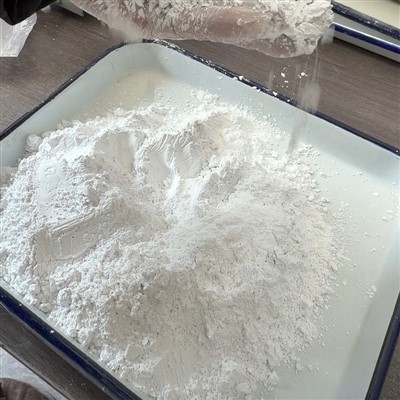
Before I wrap up, I want to remind you again that gardening is all about trial and error—what works for your neighbor might not work for you, because every soil is different, every region is different. Calcite powder isn’t for everyone, but it’s absolutely worth checking out if you’ve been fighting acidic soil, blossom end rot, or compacted dirt that won’t grow anything.
Hydrated Lime Powder References:
- USDA Natural Resources Conservation Service. Soil pH and Soil Amendments.
- University of California Agriculture and Natural Resources. Calcite as a Soil Amendment for Home Gardens.
- International Society of Soil Science. Effects of Calcium Carbonate on Soil Structure and Nutrient Availability.
Chaohu Jirun Energy Conservation and Environmental Protection Technology Co., Ltd.
We’re well-known as one of the leading calcite powder manufacturers and suppliers in China, also support customized service. Welcome to wholesale high quality calcite powder in stock here from our factory. If you have any enquiry about pricelist, please feel free to email us.
Address: No. 9, north of the intersection of Weihai Road and Weili Avenue, within the industrial park of Yinping Town, Chaohu City, Hefei City, Anhui Province.
E-mail: 13305654485@163.com
WebSite: https://www.chaohujirun.com/
