Vertical lifts are indispensable equipment in various industries, offering efficient vertical transportation solutions. As a supplier of vertical lifts, I have witnessed firsthand the importance of safety in operating these machines. In this blog, I will share some essential safety precautions to ensure that operators can use vertical lifts safely and effectively. Vertical Lifts
Pre – operation Checks
Before starting any operation with a vertical lift, a series of pre – operation checks are crucial. This is the first line of defense in preventing potential accidents.
Machine Inspection
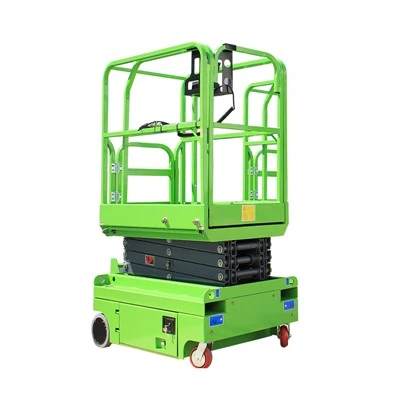
Start by visually inspecting the entire lift. Check for any signs of damage, such as cracks in the frame, leaks in the hydraulic system, or loose bolts. Look at the lift platform; it should be clean and free of debris that could cause slipping. The guardrails on the platform must be intact and securely attached. Inspect the control panel for any visible damage to the buttons, switches, or wiring. A malfunctioning control panel can lead to unpredictable lift movements.
Power and Battery Checks
If it is an electric vertical lift, ensure that the battery is fully charged and the power connections are secure. A low – battery lift may experience sudden power loss during operation, which is extremely dangerous. For lifts powered by an external power source, check the power cord for any cuts or frays. In the case of hydraulic lifts, check the hydraulic fluid level. Low fluid levels can affect the lift’s performance and cause it to malfunction.
Safety Devices
Verify that all safety devices are working correctly. This includes emergency stop buttons, overload protection sensors, and limit switches. Press the emergency stop button to ensure it immediately halts all lift operations. Overload protection sensors are designed to prevent the lift from operating if the weight on the platform exceeds its rated capacity. Test the limit switches to confirm that they stop the lift at the upper and lower travel limits.
Operator Training
Proper operator training is non – negotiable when it comes to operating vertical lifts safely.
Certification and Licensing
Operators should be certified and licensed to operate vertical lifts. Certification programs typically cover theoretical knowledge, such as understanding the lift’s technical specifications, safety regulations, and potential hazards. Practical training includes hands – on operation, emergency procedures, and maintenance basics. Regular refresher courses should be provided to keep operators updated on the latest safety standards and best practices.
Understanding the User Manual
Every vertical lift comes with a user manual. Operators must thoroughly read and understand it. The manual provides detailed information on the lift’s operation, maintenance requirements, and safety precautions specific to that model. It also includes troubleshooting guides for common problems. Operators should be encouraged to refer to the manual whenever they have questions or encounter issues during operation.
During Operation
Once the pre – operation checks are completed and the operator is properly trained, there are still many safety considerations during the actual operation.
Loading and Positioning
When loading the lift platform, it is essential to distribute the load evenly. Uneven loading can cause the lift to become unstable, increasing the risk of tipping over. Do not exceed the rated load capacity of the lift. This includes the weight of the operator, tools, and materials on the platform. Additionally, make sure that the load is properly secured to prevent it from shifting during movement.
Before starting the lift, ensure that it is positioned on a stable and level surface. Uneven ground can cause the lift to tilt or even collapse. If the working surface is not level, use leveling tools provided with the lift to adjust it.
Movement and Maneuvering
When moving the lift vertically, use slow and steady movements. Avoid sudden starts or stops, as these can cause the load to shift and affect the lift’s stability. Operators should always maintain a clear line of sight around the lift to avoid collisions with other objects or people.
When the lift is in motion, the operator should stay within the center of the platform and hold onto the guardrails. This helps to maintain balance and reduces the risk of falling off the platform.
Communication
In a work environment where multiple people are involved, clear communication is essential. The operator should establish a communication protocol with ground personnel. For example, using hand signals or two – way radios can help to coordinate movements and ensure that everyone is aware of the lift’s position and intentions.
Post – operation Procedures
After the operation is completed, proper post – operation procedures are necessary to maintain the lift’s safety and longevity.
Lowering and Parking
Lower the lift platform to its lowest position carefully. Once lowered, turn off the power and engage any parking brakes. This prevents any unintentional movement of the lift.
Cleaning and Maintenance
Clean the lift platform and remove any debris or materials left on it. Check for any new signs of damage that may have occurred during operation. Regular maintenance, such as lubrication of moving parts, checking the hydraulic system, and tightening bolts, should be carried out according to the manufacturer’s recommendations.
Environmental Considerations
The operating environment also plays a significant role in the safety of vertical lift operations.
Weather Conditions
Avoid operating the vertical lift in adverse weather conditions such as strong winds, heavy rain, or snow. High winds can affect the stability of the lift, especially when it is extended to its maximum height. Rain and snow can make the platform and the ground slippery, increasing the risk of falls.
Indoor and Outdoor Hazards
In an indoor environment, be aware of low – hanging objects, such as pipes or ventilation ducts. These can pose a collision hazard when the lift is raised. In an outdoor environment, look out for obstacles on the ground, such as potholes or uneven terrain.

In conclusion, the safe operation of vertical lifts requires a comprehensive approach that includes pre – operation checks, proper operator training, safe operation procedures, post – operation maintenance, and consideration of the operating environment. As a supplier of vertical lifts, we are committed to providing high – quality products and also ensuring that our customers are well – informed about safety.
Vertical Lifts If you are in the market for a reliable and safe vertical lift, we are here to assist you. We offer a wide range of vertical lifts to meet your specific needs. Whether it’s for industrial use, warehousing, or construction, our products are designed with the highest safety standards in mind. Please feel free to contact us for more information, and we can start a fruitful discussion on how our vertical lifts can benefit your business and ensure a safe working environment.
References
- Occupational Safety and Health Administration (OSHA) standards related to lift operations.
- Manufacturer’s user manuals for vertical lifts.
- Industry best practices from trade associations in the material handling and construction sectors.
Qingdao DAXLIFTER Machinery Co., Ltd.
Qingdao DAXLIFTER Machinery Co., Ltd. is well-known as one of the leading vertical lifts manufacturers and suppliers in China. Please feel free to buy high quality vertical lifts for sale here from our factory. For price consultation, contact us.
Address: Shouchuang Industry Park Qingdao China
E-mail: sales@daxlifter-al.com
WebSite: https://www.daxlifter-al.com/
