Hey there, fellow small – farm owners! I’m from a grain conveying equipment supply team, and I know how tricky it can be to pick the right gear for your farm. You’ve got a small operation, and you need equipment that’s efficient, affordable, and a good fit for your specific needs. In this blog, I’ll share some tips on how to choose the right grain conveying equipment for your small farm. Grain Conveying Equipment
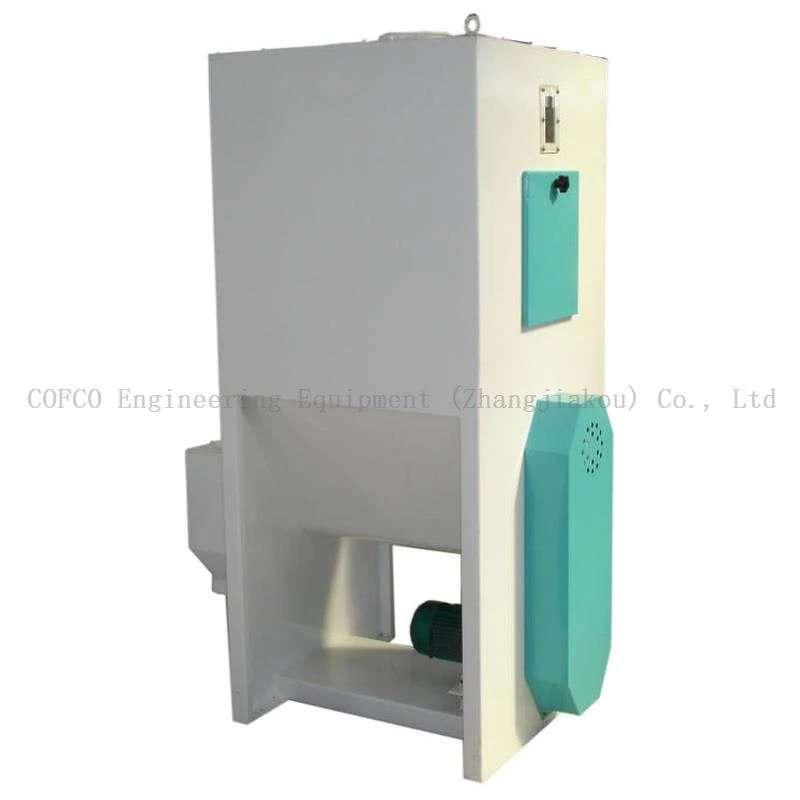
Understanding Your Farm’s Needs
First things first, you gotta understand your farm. How much grain do you produce? What types of grain are you dealing with? Is your storage setup close to where you harvest, or is there a bit of a distance?
Let’s talk about the volume of grain. If you’re a small – scale producer, you might not need a high – capacity conveyor that can move tons of grain per hour. For example, if you only harvest a few hundred bushels of wheat or corn each season, a smaller conveyor can do the job just fine. On the other hand, if you’re expanding your farm or have a larger variety of crops to handle, you’ll need something more robust.
The type of grain matters too. Different grains have different characteristics. Some are lighter and flow more easily, like oats. Others, like soybeans, can be a bit heavier and might require a conveyor with a stronger belt or more powerful motor. If you’re dealing with sticky grains like rice, you’ll need a conveyor that’s easy to clean to prevent build – up.
The layout of your farm is also crucial. If your grain storage is right next to the field, you can get away with a shorter conveyor. But if there’s a long distance between the two, you’ll need a conveyor that can span that gap. You might even need multiple conveyors or a combination of different types of equipment.
Types of Grain Conveying Equipment
Now, let’s take a look at the different types of grain conveying equipment available.
Belt Conveyors
Belt conveyors are one of the most common types. They’re pretty simple – a belt running on rollers that moves the grain from one place to another. They’re great for horizontal or slightly inclined movement. You can adjust the speed of the belt to control how fast the grain moves.
The good thing about belt conveyors is that they’re relatively gentle on the grain. They won’t damage the kernels as much as some other types of conveyors. They’re also easy to clean. You can just wipe down the belt to get rid of any leftover grain.
But they do have some drawbacks. If you need to move the grain vertically over a long distance, belt conveyors might not be the best choice. And they can be a bit bulky, so you need to have enough space on your farm to install them.
Screw Conveyors
Screw conveyors, also known as augers, are another popular option. They work by using a rotating screw inside a tube to move the grain. They’re really good at moving grain vertically or at a steep angle.
Screw conveyors are compact, which is great for small farms with limited space. They’re also pretty affordable. You can find them in different sizes, so you can choose one that fits your needs.
However, they can be a bit rough on the grain. The rotating screw can break some of the kernels, especially if the grain is soft. And they can be a pain to clean because the screw is inside the tube.
Bucket Elevators
Bucket elevators use a series of buckets attached to a belt or chain to lift the grain vertically. They’re very efficient at moving large volumes of grain up to a high storage silo.
They’re durable and can handle a lot of wear and tear. They’re also pretty good at keeping the grain intact. But they’re more expensive than belt conveyors or screw conveyors. And they require a lot of maintenance. You need to check the buckets regularly for damage and make sure the belt or chain is in good condition.
Factors to Consider When Choosing
When you’re choosing the right grain conveying equipment for your small farm, there are several factors you need to think about.
Cost
Let’s face it, cost is a big factor for small farms. You don’t want to break the bank on a conveyor system. Belt conveyors are usually the most affordable option, especially for small – scale operations. Screw conveyors are also relatively inexpensive. Bucket elevators, on the other hand, are more expensive upfront, but they might save you money in the long run if you have a large volume of grain to move.
You also need to consider the operating cost. Some conveyors use more electricity or fuel than others. Make sure you factor in these costs when you’re making your decision.
Maintenance
Maintenance is another important factor. You don’t want to spend all your time fixing your conveyor. Belt conveyors are pretty easy to maintain. You just need to check the belt for wear and tear and make sure the rollers are working properly. Screw conveyors can be a bit more difficult to maintain because of the screw inside the tube. Bucket elevators require the most maintenance, as I mentioned earlier.
Efficiency
Efficiency is key when it comes to grain conveying. You want a conveyor that can move your grain quickly and smoothly. A conveyor that’s too slow can slow down your entire operation. On the other hand, a conveyor that’s too fast can damage the grain. You need to find a balance between speed and gentleness.
Durability
Your farm is a long – term investment, and your grain conveying equipment should be too. You want a conveyor that can withstand the elements and the wear and tear of daily use. Look for equipment made from high – quality materials like stainless steel or heavy – duty plastic.
Tips for Making the Right Choice
Here are some tips to help you make the right choice:
- Do your research: Look at different manufacturers and read reviews from other farmers. Find out what works well and what doesn’t.
- Take a look at the equipment in person: If possible, visit a farm that has the type of conveyor you’re considering. See how it works and ask the owner about their experience.
- Get quotes from multiple suppliers: Don’t just go with the first option you find. Compare prices and features from different suppliers to get the best deal.
- Think about the future: If you plan to expand your farm in the future, choose equipment that can handle the increased volume. You don’t want to have to replace your conveyor in a few years because it’s not big enough.
Time to Chat!
I hope these tips help you choose the right grain conveying equipment for your small farm. Remember, every farm is different, so take the time to figure out what works best for you.
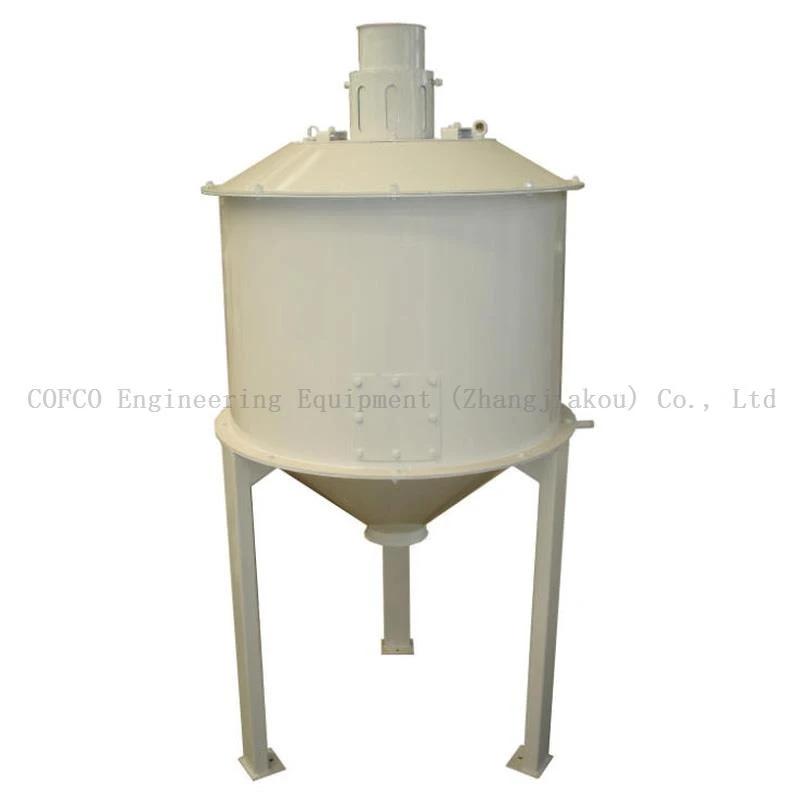
If you’re still not sure which equipment is right for your needs, or if you have any questions about our products, don’t hesitate to reach out. We’re here to help you make an informed decision. Whether you need a small belt conveyor or a large bucket elevator, we’ve got a solution for you.
Wheat Roller Mill Let’s start a conversation about how we can meet your grain conveying needs. Just drop us a line, and we’ll be glad to discuss your options and provide you with a customized solution for your small farm.
References
- Perry, R. H., & Green, D. W. (1997). Perry’s Chemical Engineers’ Handbook. McGraw – Hill.
- ASAE Standards. (2019). American Society of Agricultural and Biological Engineers.
COFCO Engineering Equipment (Zhangjiakou) Co., Ltd.
As one of the most professional grain conveying equipment manufacturers and suppliers in China, we also support customized service. Please feel free to wholesale advanced grain conveying equipment for sale here from our factory. Quality products and reasonable price are available.
Address: No.4 ZhongLiang Street, high-tech industrial development zone, Zhangjiakou, Hebei, PRC
E-mail: mayihui@cofco.com
WebSite: https://www.ceeflourmill.com/
