As a supplier of Silicone Reinforced Steel Wire Hoses, I often get asked a variety of questions from customers. One of the most common inquiries that has come up in recent times is about the hose’s resistance to saltwater. It’s a valid concern, especially for industries operating in marine environments, coastal areas, or those dealing with saltwater-based processes. In this blog, I’ll delve into the science behind the Silicone Reinforced Steel Wire Hose’s ability to withstand saltwater, drawing on both theoretical knowledge and real – world experiences. Silicone Reinforced Steel Wire Hose

Understanding the Components of Silicone Reinforced Steel Wire Hoses
Before we can assess saltwater resistance, it’s essential to understand what makes up these hoses. The main components are silicone and steel wire.
Silicone is a synthetic polymer with unique properties. It has excellent flexibility, heat resistance, and is chemically inert to many substances. Its molecular structure, composed of silicon – oxygen backbones with organic side groups, gives it a high level of stability. This stability allows it to maintain its physical and chemical properties under a wide range of conditions.
On the other hand, the steel wire reinforcement serves to enhance the hose’s strength and durability. It provides structural support, preventing the hose from collapsing under pressure and maintaining its shape during use. Different types of steel can be used, such as stainless steel, which is known for its corrosion – resistant properties.
How Saltwater Affects Materials
Saltwater is a complex mixture of water and dissolved salts, primarily sodium chloride. The presence of these salts can cause corrosion in many metals. Corrosion occurs when a metal reacts with the oxygen and ions in the surrounding environment, leading to the deterioration of the metal’s surface. The process is accelerated in saltwater because the ions in the salt act as electrolytes, facilitating the flow of electrons and speeding up the oxidation reaction.
For non – metallic materials like silicone, the main concern is not corrosion in the traditional sense. Instead, saltwater could potentially cause swelling, degradation, or changes in the material’s mechanical properties over time. The salts in the water might interact with the silicone’s side groups, disrupting its molecular structure and affecting its performance.
Silicone’s Resistance to Saltwater
Silicone is generally highly resistant to saltwater. Its chemical inertness means that it doesn’t react readily with the salts and other components in saltwater. The silicon – oxygen backbone in silicone is very stable, and the organic side groups can be chosen to enhance its resistance to various environmental factors.
In laboratory tests, silicone samples have been exposed to saltwater for extended periods. These tests typically involve immersing the silicone in a saltwater solution with a concentration similar to that found in seawater. After weeks or even months of exposure, the silicone shows only minimal changes in its physical properties. There is usually little to no swelling, and its mechanical strength remains largely intact.
This resistance to saltwater makes silicone an ideal material for applications where contact with saltwater is inevitable. For example, in marine aquariums, silicone – based hoses are used to transfer water and nutrients without the risk of degradation. The hoses can maintain their integrity over long periods, ensuring a reliable flow of water in the system.
Steel Wire Reinforcement and Saltwater
The steel wire reinforcement in the Silicone Reinforced Steel Wire Hose is a critical factor in determining its overall saltwater resistance. As mentioned earlier, stainless steel is often used for the reinforcement due to its inherent corrosion – resistant properties.
Stainless steel contains chromium, which forms a thin, protective oxide layer on the surface of the metal. This oxide layer acts as a barrier, preventing the underlying metal from coming into contact with the corrosive agents in saltwater. As long as the oxide layer remains intact, the stainless steel will resist corrosion effectively.
However, it’s important to note that the corrosion resistance of stainless steel is not absolute. In certain conditions, such as highly acidic or alkaline saltwater environments, or when the surface of the steel is damaged, the protective oxide layer can be compromised. This can lead to localized corrosion, such as pitting or crevice corrosion.
To mitigate these risks, suppliers often use high – quality stainless steel with a sufficient chromium content for the wire reinforcement. Additionally, some hoses may be treated with special coatings or finishes to further enhance the steel’s corrosion resistance.
Real – World Applications and Performance
In real – world applications, Silicone Reinforced Steel Wire Hoses have proven to be reliable in saltwater environments. One example is in the fishing industry. These hoses are used to transfer seawater, fish, and other marine products on boats and in processing facilities. They are exposed to constant contact with saltwater, as well as physical stress from handling and movement.
Over time, operators have reported that the hoses maintain their performance and integrity. The silicone outer layer protects the steel wire reinforcement from direct contact with saltwater, and the steel wire ensures that the hose can withstand the pressure and mechanical forces involved in the transfer process.
Another application is in coastal power plants that use seawater for cooling. Silicone Reinforced Steel Wire Hoses are used to transport the seawater from the intake point to the cooling systems. Despite the continuous flow of saltwater and the high operating temperatures, these hoses have shown good resistance to degradation and corrosion.
Factors Affecting Saltwater Resistance
While Silicone Reinforced Steel Wire Hoses are generally resistant to saltwater, several factors can affect their performance.
1. Saltwater Concentration: Higher salt concentrations can increase the corrosive potential of the water. Areas with a high evaporation rate, such as salt marshes or certain coastal regions, may have saltwater with a higher salinity. In these cases, the hoses may need to be inspected more frequently to ensure that there is no signs of accelerated degradation.
2. Exposure Time: Prolonged exposure to saltwater can gradually have an impact on the hose’s properties. Even though silicone and stainless steel are resistant, long – term exposure may lead to minor changes in the material. For example, the silicone may become slightly more brittle, and the steel wire may experience some surface corrosion.
3. Temperature: Higher temperatures can accelerate chemical reactions, including corrosion. In warm coastal areas or during summer months, the temperature of the saltwater may increase, which can potentially affect the hose’s saltwater resistance.
Maintenance and Inspection
To ensure the long – term performance of Silicone Reinforced Steel Wire Hoses in saltwater environments, proper maintenance and inspection are essential.
Regular cleaning of the hoses can help remove any salt deposits that may accumulate on the surface. This can be done using fresh water and a mild detergent. Inspecting the hoses for signs of damage, such as cracks, leaks, or corrosion on the steel wire, is also crucial. Any damaged hoses should be replaced immediately to prevent further problems.
Conclusion
In conclusion, Silicone Reinforced Steel Wire Hoses are generally resistant to saltwater. The silicone outer layer provides a high level of chemical inertness, protecting the internal components from the corrosive effects of saltwater. The steel wire reinforcement, especially when made of high – quality stainless steel, offers the necessary strength and durability while also having a certain degree of corrosion resistance.
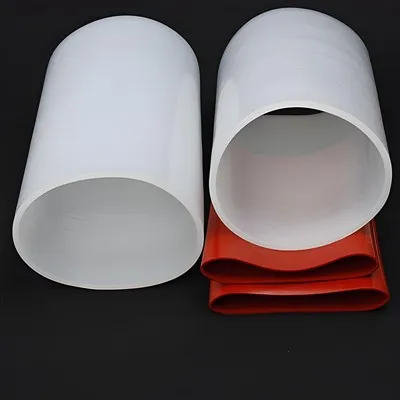
However, it’s important to be aware of the factors that can affect the hose’s saltwater resistance and to implement proper maintenance and inspection procedures. By doing so, these hoses can provide reliable service in a wide range of saltwater applications.
Silicone Accessories If you’re in need of a high – quality Silicone Reinforced Steel Wire Hose for your saltwater – related application, feel free to reach out to us to discuss your requirements and explore how our products can meet your needs.
References
- ASTM International. Standard test methods for elastomers in liquid environments.
- Hall, C. C. (1986). Handbook of corrosion data. McGraw – Hill.
- Schwenk, C. (2000). Corrosion of stainless steels. Wiley – VCH.
Dongguan Hengyue New Material Technology Co., Ltd.
As one of the most professional silicone reinforced steel wire hose manufacturers and suppliers in China, we also support customized service. We warmly welcome you to wholesale bulk cheap silicone reinforced steel wire hose from our factory. If you have any enquiry about quotation and free sample, please feel free to email us.
Address: Building 2, No. 3, Yindou Third Road, Qingxi Town, Dongguan City, Guangdong Province
E-mail: dghengyue@126.com
WebSite: https://www.hengyuesilicone.com/
