Hey there! As a supplier of quenching furnaces, I often get asked about the “soak time.” You might be scratching your head right now, thinking, “What the heck is soak time in a quenching furnace?” Well, stick around, and I’ll break it down for you real quick. Quenching Furnace
So, let’s start simple. The soak time in a quenching furnace is the amount of time that the material you’re quenching spends at a specific temperature inside the furnace. It’s like when you’re cooking a steak. You can’t just throw it on the grill and take it off immediately. You’ve got to let it cook for a while at the right temperature so that it’s cooked through and tastes great. In the world of metalworking, the soak time is crucial for getting the right properties out of your metal.
When you’re using a quenching furnace, the goal is usually to change the physical and mechanical properties of the metal. This could mean making it harder, more ductile, or more resistant to wear. The soak time plays a huge part in achieving these goals. If the soak time is too short, the metal might not reach the desired transformation. It’s like taking that steak off the grill too soon – it’ll be raw in the middle. On the other hand, if the soak time is too long, you could end up with a metal that’s too brittle or has other unwanted characteristics. It’s like overcooking that steak until it’s tough and dry.
Now, what factors determine the soak time? Well, there are a bunch of them. First off, the type of metal you’re working with matters a whole lot. Different metals have different heat transfer rates and phase transformation temperatures. For example, steel is a pretty common metal used in quenching. But even different types of steel, like carbon steel and stainless steel, will have different soak times. Carbon steel might need a shorter soak time because it can reach the desired transformation more quickly compared to stainless steel, which has a more complex chemical composition.
The size and shape of the metal piece also play a role. A thicker piece of metal will take longer to heat up throughout compared to a thin one. And if the metal has a complex shape with lots of nooks and crannies, it might need a longer soak time to make sure that every part of it reaches the right temperature. Think of it like cooking a big turkey. A whole turkey takes longer to cook evenly than a small chicken breast because it’s bigger and has more mass to heat through.
The heating rate of the quenching furnace is another factor. If your furnace heats up really fast, you might not need as long of a soak time because the metal can reach the target temperature quickly. But if the furnace heats up slowly, you’ll need to compensate by having a longer soak time. It’s all about making sure that the metal stays at the right temperature for long enough to get the transformation you want.
The atmosphere inside the quenching furnace can also affect the soak time. Some metals are prone to oxidation, which can affect their properties. If you’re using a furnace with a protective atmosphere, like nitrogen or argon, it can prevent oxidation and might allow for a more precise and efficient soak time. But if the atmosphere isn’t right, you might end up with a metal surface that’s not in great shape, which could mess up the whole quenching process.
So, how do you figure out the right soak time for your specific situation? Well, it’s not always a one – size – fits – all answer. There are industry standards and guidelines that can give you a starting point. For example, if you’re working with a common type of steel, there are tables and charts that show recommended soak times based on the thickness of the metal and the desired properties. But these are just starting points. You’ll also need to do some trial and error.
You might want to run some test batches. Take a few small pieces of the metal you’re planning to quench, and try different soak times. Then, test the properties of the quenched metal. Check things like hardness, ductility, and tensile strength. This way, you can see which soak time gives you the best results for your particular application.
At our company, we’ve spent a lot of time working with different customers and different metals. We’ve seen firsthand how important it is to get the soak time right. That’s why our quenching furnaces are designed to be as precise as possible. We’ve got features that allow you to control the heating rate, the temperature, and the atmosphere inside the furnace. This gives you more control over the soak time and helps you achieve the best results.
For example, our furnaces have advanced temperature sensors that can accurately monitor the temperature of the metal throughout the soak time. If the temperature starts to deviate from the set point, the furnace can automatically adjust the heating elements to keep it on track. And our atmosphere control systems can create a consistent and protective environment for the metal, reducing the risk of oxidation and other issues.
We also offer technical support to our customers. If you’re having trouble figuring out the right soak time for your metal, our team of experts is here to help. We can look at your specific requirements, the type of metal you’re using, and the shape and size of your pieces, and give you some personalized advice.
In conclusion, the soak time in a quenching furnace is a critical part of the metalworking process. It can make or break the properties of your metal. By understanding the factors that affect soak time and using a high – quality quenching furnace like the ones we offer, you can ensure that your quenching process is efficient and produces the best results.
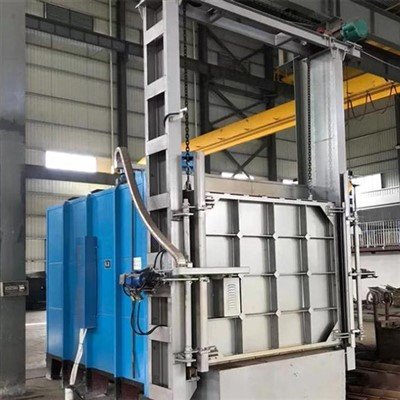
If you’re in the market for a quenching furnace or you’re having trouble with your current one, don’t hesitate to reach out. We’re here to help you get the most out of your metalworking operations. Whether you’re a small shop or a large manufacturing plant, we’ve got the solutions and the expertise to meet your needs. Contact us today to start a conversation about how we can improve your quenching process.
Annealing Furnace References
- Metals Handbook: Heat Treating, Volume 4, American Society for Metals
- Quenching and Tempering of Steel, ASM International
Danyang Dingfeng Industrial Furnace Co., Ltd.
Danyang Dingfeng Industrial Furnace Co., Ltd. is one of the most experienced quenching furnace manufacturers and suppliers in China, also supports customized service with low price. Please feel free to wholesale high quality quenching furnace made in China here from our factory. For pricelist, contact us now.
Address: Lizhuang Economic Development Zone, Danyang City
E-mail: saleszk@dffurnace.com
WebSite: https://www.dffurnace.com/
