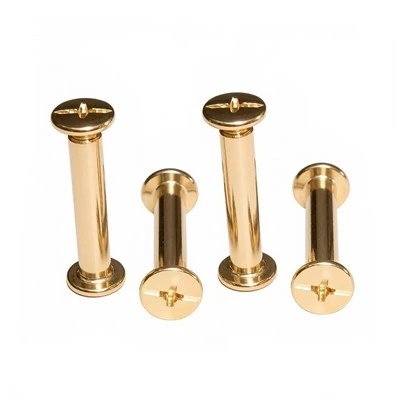
When it comes to using nameplate rivets in a corrosive environment, there are indeed several special considerations that need to be taken into account. As a supplier of nameplate rivets, I’ve seen firsthand the challenges that corrosive conditions can pose, and I’m here to share some insights to help you make the right choices for your applications. Nameplate Rivets
Understanding the Corrosive Environment
The first step in using nameplate rivets in a corrosive environment is to understand the nature of the corrosion. Corrosion can be caused by a variety of factors, including exposure to moisture, chemicals, saltwater, and even certain gases. Different environments will have different levels of corrosiveness, and it’s important to assess the specific conditions your nameplate rivets will be exposed to.
For example, in a marine environment, saltwater can be extremely corrosive. The high salt content in the water can accelerate the corrosion process, especially if the rivets are made of materials that are not resistant to saltwater. On the other hand, in an industrial environment, exposure to chemicals such as acids, alkalis, or solvents can also cause corrosion.
Material Selection
One of the most critical considerations when using nameplate rivets in a corrosive environment is the material of the rivets. The right material can significantly enhance the resistance of the rivets to corrosion, ensuring their long – term performance.
Stainless Steel
Stainless steel is a popular choice for nameplate rivets in corrosive environments. It contains chromium, which forms a passive oxide layer on the surface of the metal. This layer acts as a barrier, preventing further corrosion. There are different grades of stainless steel, and for highly corrosive environments, such as marine or chemical industries, austenitic stainless steels like 316 are often recommended. 316 stainless steel contains molybdenum, which further improves its resistance to pitting and crevice corrosion.
Aluminum
Aluminum is another option. It has a natural oxide layer that provides some protection against corrosion. Aluminum is lightweight, which can be an advantage in applications where weight is a concern. However, its corrosion resistance may be limited in certain aggressive environments. For example, in environments with high levels of chloride ions, aluminum may be more prone to corrosion.
Copper and Brass
Copper and brass are also used for nameplate rivets. Copper has good corrosion resistance, especially in freshwater environments. Brass, which is an alloy of copper and zinc, can offer a balance between corrosion resistance and mechanical properties. However, in some cases, brass may be subject to dezincification, a form of corrosion where zinc is selectively removed from the alloy.
Surface Treatment
In addition to material selection, surface treatment can also play a crucial role in enhancing the corrosion resistance of nameplate rivets.
Plating
Plating is a common surface treatment method. For example, zinc plating can provide a sacrificial layer that corrodes before the base metal. This can be an effective way to protect the rivets, especially in less severe corrosive environments. Nickel plating can also improve the corrosion resistance and provide a smooth, aesthetically pleasing surface.
Anodizing
Anodizing is a process commonly used for aluminum rivets. It thickens the natural oxide layer on the surface of the aluminum, increasing its corrosion resistance. Anodized aluminum rivets can also be dyed to achieve different colors, which can be useful for decorative or identification purposes.
Design Considerations
The design of the nameplate and the rivets themselves can also affect their performance in a corrosive environment.
Rivet Configuration
The way the rivets are installed and the design of the nameplate can impact the formation of crevices. Crevices can trap moisture and chemicals, creating an environment where corrosion can occur more easily. For example, if the rivets are installed in a way that leaves small gaps between the nameplate and the substrate, these gaps can collect water and debris, leading to corrosion.
Drainage and Ventilation
Proper drainage and ventilation are essential in a corrosive environment. If moisture is allowed to accumulate around the rivets, it can accelerate the corrosion process. Designing the nameplate and the installation to allow for drainage and ventilation can help reduce the risk of corrosion.
Testing and Quality Assurance
Before using nameplate rivets in a corrosive environment, it’s important to conduct appropriate testing to ensure their performance.
Salt Spray Testing
Salt spray testing is a common method used to evaluate the corrosion resistance of materials. In this test, the rivets are exposed to a salt – water mist for a specified period of time. The amount of corrosion that occurs is then measured and evaluated. This test can provide an indication of how well the rivets will perform in a marine or other salt – containing environment.
Chemical Resistance Testing
If the rivets will be exposed to specific chemicals, chemical resistance testing can be carried out. This involves immersing the rivets in the relevant chemicals for a certain period and observing any changes in their appearance or properties.
Maintenance
Even with the right material selection, surface treatment, and design, maintenance is still an important aspect of using nameplate rivets in a corrosive environment.
Regular Inspections
Regular inspections can help detect signs of corrosion early. By checking the rivets and the nameplate periodically, any issues can be addressed before they become serious.
Cleaning

Cleaning the nameplate and the rivets can help remove any dirt, debris, or corrosive substances that may have accumulated. However, it’s important to use the right cleaning agents to avoid damaging the rivets or the nameplate.
Conclusion
Solid Rivet Using nameplate rivets in a corrosive environment requires careful consideration of various factors, including material selection, surface treatment, design, testing, and maintenance. As a supplier of nameplate rivets, I’m committed to providing high – quality products that can withstand the challenges of corrosive environments. If you’re facing the need to use nameplate rivets in a corrosive setting, I’d be more than happy to discuss your specific requirements and help you find the best solutions. Whether it’s choosing the right material, recommending a suitable surface treatment, or providing advice on design and maintenance, I’m here to assist you. Contact me to start a conversation about your nameplate rivet needs and let’s work together to ensure the long – term performance of your applications.
References
- Metals Handbook, Volume 13: Corrosion, American Society for Metals
- Corrosion Engineering Handbook, Pierre R. Roberge
- ASTM Standards on Corrosion Testing
Wenzhou Liao Fasteners Co., Ltd.
As one of the most professional nameplate rivets manufacturers and suppliers in China, we also support customized service. Welcome to wholesale high quality nameplate rivets in stock here from our factory. If you have any enquiry about cooperation, please feel free to email us.
Address: No.93 Liaodong Road, Liao Subdistrict, Ouhai District, Wenzhou City, Zhejiang Province, China
E-mail: zhengyue1687@163.com
WebSite: https://www.liaomet.com/
