Hey there! I’m part of a Pilot / Clinical Mfg. supplier team, and today I wanna chat about how to manage the transition from pilot to full – scale clinical manufacturing. It’s a wild ride, but with the right approach, it can be super smooth. Pilot / Clinical Mfg.

Understanding the Differences
First off, we gotta understand the differences between pilot and full – scale manufacturing. Pilot manufacturing is like a test run. It’s all about getting the product right, figuring out the best processes, and making sure everything is up to snuff. We’re working with smaller batches, so it’s easier to make changes and adjustments.
On the other hand, full – scale clinical manufacturing is a whole different ballgame. We’re talking about large volumes, strict timelines, and a lot more scrutiny. The stakes are higher, and any mistakes can be costly.
Planning Ahead
One of the keys to a successful transition is planning. You can’t just jump from pilot to full – scale without a solid game plan. Start by setting clear goals and timelines. What do you want to achieve with full – scale manufacturing? When do you need to have the products ready?
Next, take a close look at your resources. Do you have enough equipment, personnel, and raw materials? You might need to invest in new machinery or hire more staff to handle the increased workload.
It’s also important to have a quality control plan in place. In full – scale manufacturing, consistency is key. You need to make sure that every batch of your product meets the same high standards.
Process Optimization
During the pilot phase, you’ve probably been tweaking your processes to get the best results. But when you move to full – scale, you need to optimize those processes even further. Look for ways to streamline operations, reduce waste, and increase efficiency.
For example, you might be able to automate certain tasks to save time and reduce the risk of human error. You can also work on improving your supply chain to ensure a steady flow of raw materials.
Regulatory Compliance
Regulatory compliance is a huge deal in clinical manufacturing. You need to make sure that your full – scale manufacturing processes meet all the relevant regulations and standards. This includes everything from Good Manufacturing Practices (GMP) to environmental regulations.
Start by familiarizing yourself with the regulations that apply to your product. Then, work with your team to develop a compliance plan. Make sure that everyone on your team understands their roles and responsibilities when it comes to compliance.
Staff Training
Your staff is your most valuable asset, and they need to be ready for the transition to full – scale manufacturing. Provide them with the training they need to handle the new processes and equipment. This might include on – the – job training, classroom training, or online courses.
Encourage your staff to ask questions and provide feedback. They’re the ones on the front lines, and they might have some great ideas for improving the manufacturing process.
Communication
Communication is key throughout the transition process. Keep your team, your suppliers, and your customers in the loop. Let them know what’s going on, what to expect, and any changes that might affect them.
Regular meetings and updates can help keep everyone on the same page. You can also use project management tools to track progress and share information.
Risk Management
There are always risks involved in any manufacturing process, and the transition from pilot to full – scale is no exception. Identify the potential risks, such as supply chain disruptions, equipment failures, or quality issues.
Develop a risk management plan to address these risks. This might include having backup suppliers, conducting regular equipment maintenance, and implementing quality control checks at every stage of the manufacturing process.
Scalability Testing
Before you fully commit to full – scale manufacturing, it’s a good idea to do some scalability testing. This involves running a series of tests to make sure that your processes can handle the increased volume.
Scalability testing can help you identify any potential issues early on, so you can make the necessary adjustments before you start full – scale production.
Cost Analysis
Cost is always a factor in manufacturing. When you’re transitioning from pilot to full – scale, you need to do a detailed cost analysis. This includes everything from raw materials and labor to equipment and overhead.
Look for ways to reduce costs without sacrificing quality. For example, you might be able to negotiate better prices with your suppliers or find more efficient ways to use your resources.
Continuous Improvement
Even after you’ve successfully transitioned to full – scale manufacturing, the work doesn’t stop. You should always be looking for ways to improve your processes, products, and services.
Collect feedback from your customers, your staff, and your suppliers. Use this feedback to identify areas for improvement and implement changes as needed.
Conclusion
Managing the transition from pilot to full – scale clinical manufacturing is a complex process, but it’s definitely doable. By planning ahead, optimizing your processes, ensuring regulatory compliance, training your staff, communicating effectively, managing risks, conducting scalability testing, analyzing costs, and continuously improving, you can make the transition as smooth as possible.
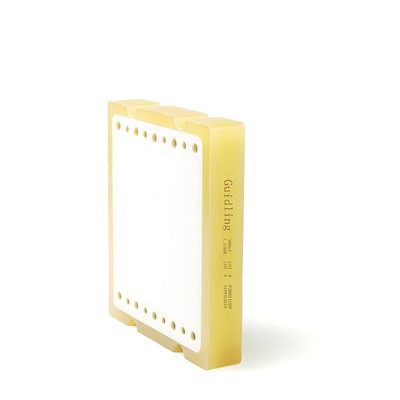
Ultrafiltration Cassettes If you’re in the market for a reliable Pilot / Clinical Mfg. supplier, we’d love to chat. We’ve got the experience and expertise to help you navigate the transition to full – scale manufacturing. Reach out to us to start a conversation about your specific needs.
References
- "Good Manufacturing Practices for Pharmaceuticals" by World Health Organization
- "Principles of Pharmaceutical Manufacturing" by S. C. Gad
- "Clinical Trial Supply Chain Management" by Michael R. Sampson
Hangzhou Guidling Technology Co., Ltd.
Address: No.795, 18th Street, Qiantang New District, Hangzhou City, Zhejiang Province, China
E-mail: export1@guidling.net
WebSite: https://www.guidlingfiltration.com/
