Hey there! I’m a supplier of cabinet sensor switches, and today I wanna chat about the different types of cabinet sensor switches that are out there. Cabinet Sensor Switch
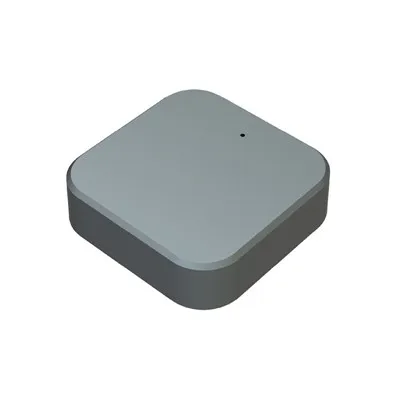
1. Infrared Sensor Switches
Infrared sensor switches are super common. They work by detecting the infrared radiation emitted by objects. When a person or an object comes within the detection range of the sensor, it triggers the switch.
The cool thing about infrared sensor switches is that they’re pretty sensitive. They can detect movement from a decent distance, usually around 1 – 3 meters. This makes them great for cabinets in areas where you need quick access, like in a kitchen. You can just wave your hand in front of the cabinet, and the light inside will turn on.
However, they do have a few drawbacks. Sometimes, they can be a bit too sensitive. For example, if there’s a small animal or a moving curtain near the cabinet, it might trigger the switch accidentally. Also, they can be affected by strong sunlight or heat sources, which can interfere with the infrared detection.
2. Ultrasonic Sensor Switches
Ultrasonic sensor switches use ultrasonic waves to detect movement. They emit high – frequency sound waves and then measure the time it takes for the waves to bounce back. If there’s a change in the time it takes for the waves to return, it means there’s an object or movement in the area, and the switch is triggered.
These switches are really good at detecting movement in a wide area. They can cover a larger space compared to infrared sensors, sometimes up to 5 meters or more. They’re also less affected by environmental factors like light and heat.
But, they can be a bit noisy. The ultrasonic waves can sometimes be heard by some people, especially if they have sensitive hearing. And they might not work as well in areas with a lot of echoes, like in a small, enclosed cabinet.
3. Capacitive Sensor Switches
Capacitive sensor switches work based on changes in capacitance. When you touch or get close to the sensor, it changes the electrical capacitance of the sensor, which then triggers the switch.
One of the big advantages of capacitive sensor switches is that they’re very precise. You can have a very small touch area, which is great for cabinets where you don’t want a large – scale sensor. They’re also very durable because there are no moving parts.
However, they can be affected by moisture. If the cabinet is in a humid environment, like a bathroom, the moisture can interfere with the capacitance and cause the switch to malfunction.
4. Magnetic Sensor Switches
Magnetic sensor switches use magnets to detect when the cabinet door is opened or closed. There are two parts: a magnet and a sensor. When the magnet and the sensor are close together (when the cabinet door is closed), the switch is off. When the door is opened and the magnet moves away from the sensor, the switch is turned on.
These switches are very reliable. They’re not affected by environmental factors like light, heat, or moisture as much as other types of sensors. They’re also very easy to install. You just need to attach the magnet to the door and the sensor to the cabinet frame.
But, they only work based on the opening and closing of the door. They can’t detect movement inside the cabinet or someone approaching the cabinet from the outside.
5. Photoelectric Sensor Switches
Photoelectric sensor switches work by emitting a beam of light and then detecting the reflection of that light. If an object blocks the light beam, the switch is triggered.
They’re great for detecting objects in a specific area. You can set up the sensor to detect objects at a certain distance. They’re also very fast – acting, so they can quickly turn on the light in the cabinet when an object is detected.
However, they can be affected by dirt or dust on the sensor. If the sensor gets dirty, it might not be able to detect the light reflection properly, which can cause the switch to malfunction.
Which One to Choose?
The type of cabinet sensor switch you choose depends on your specific needs. If you want a switch that can detect movement from a distance, infrared or ultrasonic sensors might be a good choice. If you need a precise touch – based switch, capacitive sensors are great. For a reliable switch that works based on the opening and closing of the door, magnetic sensors are the way to go. And if you need to detect objects in a specific area, photoelectric sensors are a good option.
As a supplier of cabinet sensor switches, I’ve seen all these types in action. I can help you figure out which one is the best fit for your cabinets. Whether you’re a homeowner looking to upgrade your kitchen cabinets or a business owner in the furniture industry, I’ve got the right sensor switch for you.
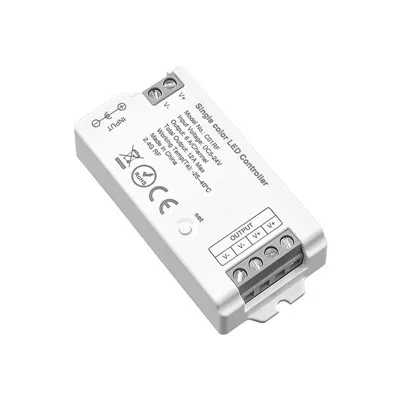
LED Driver If you’re interested in learning more about our cabinet sensor switches or want to place an order, don’t hesitate to reach out. We can have a chat about your requirements and find the perfect solution for you.
References
- "Sensor Technology Handbook" by John W. Gardner
- "Electronics for Dummies" by Cathleen Shamieh and Gordon McComb
Dongguan Lanbaoli Intelligent Technology Co., Ltd.
As one of the most professional cabinet sensor switch manufacturers and suppliers in China, we’re featured by quality products and low price. Welcome to buy advanced cabinet sensor switch for sale here from our factory. If you have any enquiry about quotation, please feel free to email us.
Address: 10th Floor, Building 32, Golden Town, No. 7 Technology Avenue, Houjie Town, Dongguan City, Guangdong Province
E-mail: anna@lampow.cn
WebSite: https://www.lblsensor.com/
